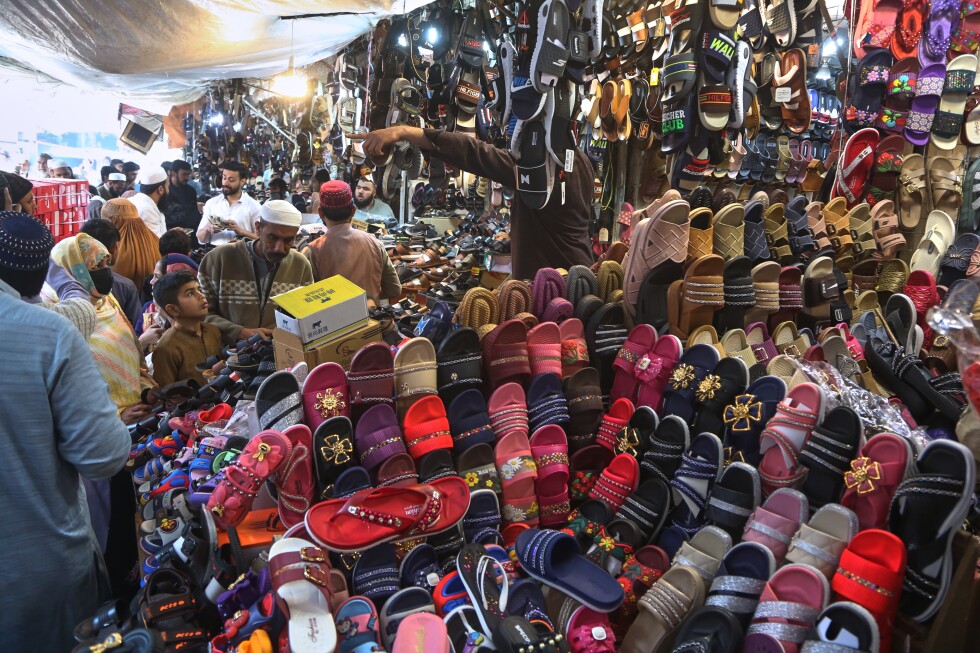
As the Islamic holy month of Ramadan concludes, Muslims worldwide prepare to observe Eid al-Fitr under unprecedented geopolitical tensions. This religious holiday, traditionally characterized by joyful congregational prayers, family gatherings, and festive new clothing, faces the shadow of international conflict and rising domestic anxieties across Muslim communities.
The ongoing Iran conflict continues to destabilize numerous Middle Eastern nations, creating ripple effects that extend far beyond regional borders. American Muslims particularly find themselves navigating this year’s religious observances amidst a complex backdrop of immigration policy fears, escalating anti-Muslim rhetoric, and concerns for loved ones in conflict zones.
Eid al-Fitr signifies the completion of Ramadan’s daily dawn-to-dusk fasting, a period dedicated to intensified worship, charitable acts, and communal solidarity. The holiday’s timing follows the Islamic lunar calendar, with this year’s celebrations anticipated to commence approximately on March 20th, though specific dates may vary across different countries and Muslim traditions.
Global celebrations reflect rich cultural diversity: Indonesians participate in massive homecoming migrations to ancestral villages, Malaysian communities practice open-house hospitality with traditional green monetary gifts for children, and Egyptian families distribute powdered-sugar cookies while children receive special ‘eidiya’ cash presents. In the United States, ethnically diverse Muslim populations organize inclusive prayer services and community festivals featuring family-oriented activities.
The traditional greeting ‘Eid Mubarak’ (Blessed Eid) continues to symbolize the holiday’s spirit of forgiveness and renewal, even as communities worldwide navigate the challenges of celebrating during turbulent times.