BERLIN — On a warm July Saturday night, what was supposed to be a joyous celebration of love, equality, and queer identity at Berlin’s annual Pride parade turned into a scene of terror. A vehicle ramming and stabbing attack near the festival’s route left one person dead and multiple others injured, in what German authorities have confirmed is an Islamic extremist-motivated act of violence. As of Sunday, the prime suspect remains at large, prompting a widespread manhunt and public safety warning across the capital.
Law enforcement has issued an urgent wanted notice for 21-year-old Abdul Ballout, a German citizen of Lebanese descent. Officials have warned the public not to approach the suspect, noting he is considered armed and extremely dangerous.
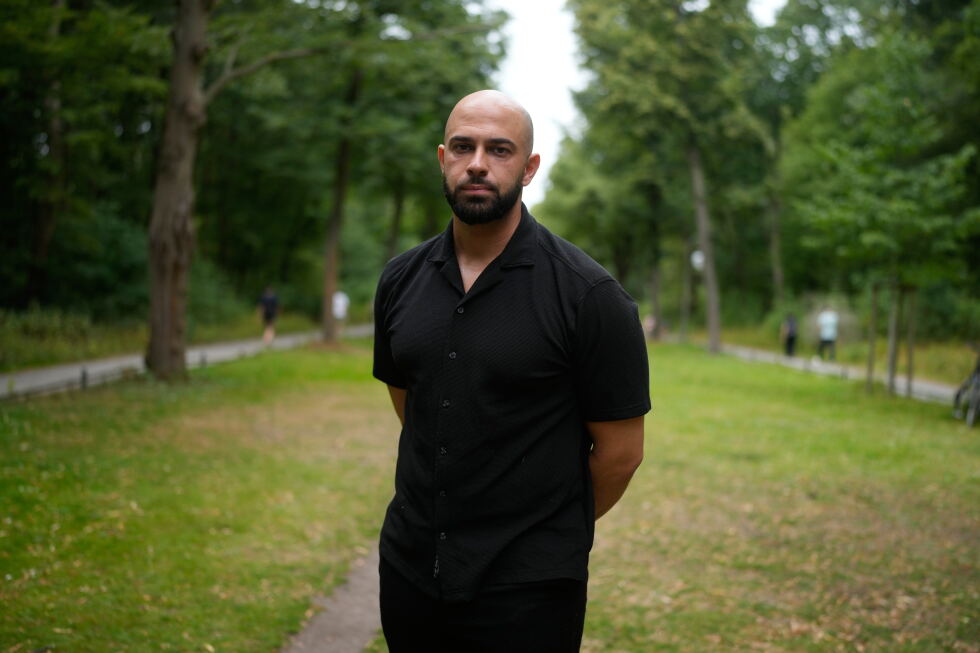
For 34-year-old Ali Darwich, a Berlin-born police officer of Lebanese and Palestinian heritage who identifies as both gay and Muslim, the attack is not just an act of violence against a community — it is a direct assault on every part of who he is, and on everything the city of Berlin claims to represent.
Choking back tears during an interview at the attack site in Tiergarten Park on Sunday, Darwich reflected: “Born a Muslim, living as a gay man, working as a police officer — this terror attack touches so many aspects of who I am. This was an attack on Berlin itself, on the diversity, tolerance, and commitment to freedom this city has always stood for.”
Just hours before the attack, Darwich had marched alongside thousands of other Pride attendees, calling for equal rights and raising the alarm about a documented surge in hate crimes targeting LGBTQ+ people across Germany. “I was wearing my rainbow shirt, carried a banner that asked ‘why are some people afraid of love but not of hate,’ and was heading to an afterparty when friends started flooding my phone to check if I was safe,” he recalled. He immediately canceled his plans and returned home, overwhelmed by grief, but said the full weight of the attack did not hit him until he woke the next morning.
At the cordoned-off crime scene on Sunday, hundreds of community members gathered for an impromptu vigil, laying flowers, embracing one another, and staring in quiet disbelief at the wrecked van still held by police forensics teams. Darwich, who also builds a following as a positive-focused gay Muslim influencer on social media, left him grappling with layered questions and deep anxiety.
“I asked myself, why as a police officer did I not run to the scene to help my colleagues? I asked myself as a gay man if we will now have to live with even more fear, on top of the bullying and hatred we already face every day. And I asked myself as a Muslim if our entire community will now be targeted with even more racism,” he explained.
Darwich’s greatest fear is that the attack will deepen existing polarization across German society, at a time when far-right extremism and anti-minority sentiment are already on the rise. “I’ll be honest, this morning I felt desperate. We cannot seem to root out the hatred some people carry, and it just keeps getting worse and worse,” he said. Yet even amid his grief, he refused to cede ground to extremism, emphasizing that he would not let hate win. “Deep down, I still hope the people of Berlin will come together, that we will support one another, and that out of this horror we can build an even stronger, more inclusive Berlin,” he added.
Darwich is far from alone in balancing grief with unyielding resolve. Andre Lehmann, a senior leader of LSVD+, Germany’s largest national LGBTQ+ advocacy organization, joined the Sunday vigil and spoke to the impact of the attack on the entire queer community.
“We are simply stunned by what happened yesterday. This suspected attack hits the heart of the queer community,” Lehmann said. “This attack targeted people who took to the streets this weekend to fight for their rights and celebrate diversity. This is a deliberate political act, not just an attack on people celebrating a parade.”
Lehmann also drew attention to a growing crisis that he says has long been ignored by mainstream German society: “We have seen a tenfold increase in anti-queer hate crime in Germany over just a few years. For years, honestly, nothing was done to address this, and there has been no widespread public outcry to demand change.”
Ashley Jump, a 26-year-old visitor from the United Kingdom who had traveled to Berlin specifically for the Pride parade, left the event shortly before the attack and returned to the site on Sunday to lay flowers in memory of the victim. Still shaking with emotion, Jump reaffirmed the community’s refusal to be intimidated.
“They’ll never erase us, we’ll never be gone,” they said. “As long as humanity has existed, we’ve existed. And as long as humanity exists, we will exist. We will not be removed.”
Across Berlin, the attack has sparked shock and solidarity, with crowds gathering outside the iconic Brandenburg Gate on Sunday to demonstrate support for the LGBTQ+ community and condemn the act of terror, as law enforcement continues its urgent search for the suspect.