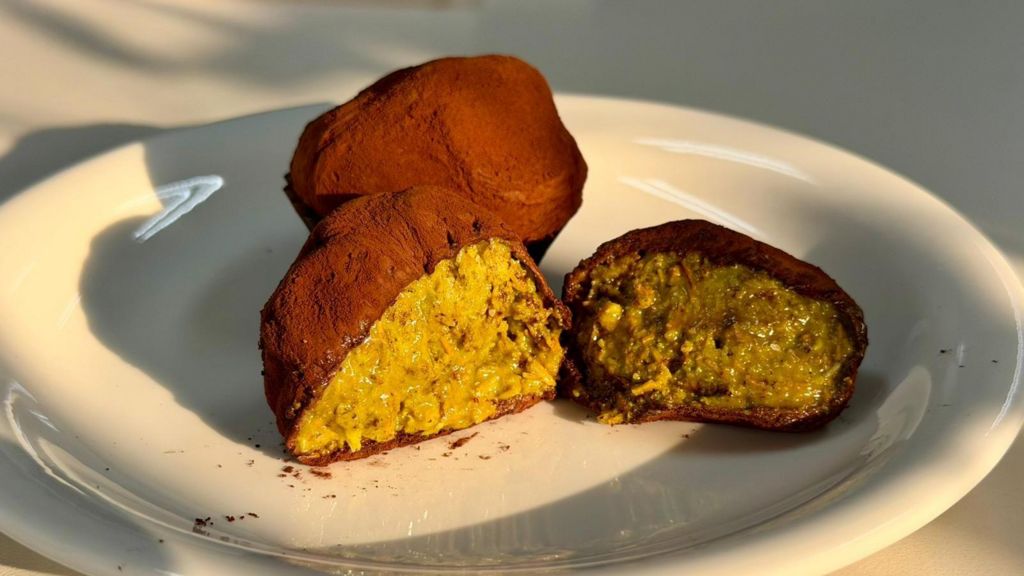
South Korea has been swept by an unprecedented dessert phenomenon as the Dubai-inspired chewy cookie captivates the nation’s culinary scene. This innovative confectionery, featuring a unique combination of pistachio cream and knafeh pastry shreds enveloped in chocolate marshmallow, has created a nationwide buying frenzy since its introduction last September.
The trend gained monumental traction when Jang Won-young, a member of the popular girl band Ive, shared an image of the distinctive treat on her Instagram platform. Almost immediately, consumer demand skyrocketed beyond all expectations. Retail establishments report selling hundreds of units within minutes of availability, while convenience store chain CU has moved approximately 1.8 million pieces since October launch.
The overwhelming popularity has triggered significant market disruptions, with pistachio prices surging approximately 20% due to supply chain pressures. The scarcity has prompted some retailers to implement purchase limitations per customer. Meanwhile, entrepreneurial developers have created real-time tracking maps showing inventory levels across participating vendors.
Interestingly, the dessert’s texture more closely resembles traditional Korean rice cakes than conventional cookies, contributing to its distinctive appeal. Food critic Lee Yong-jae observes that the treat’s success stems from its visual intensity and substantial density, aligning with contemporary Korean culinary preferences that prioritize impressive presentation over flavor balance.
The phenomenon has expanded beyond traditional bakeries, with sushi restaurants, cold-noodle establishments, and even convenience stores incorporating the Dubai-inspired item into their offerings. Some consumers have reported counterfeit products appearing in the market, prompting online complaints about inferior imitations lacking authentic ingredients.
As production facilities struggle to meet relentless demand, industry analysts predict further price increases from the current 5,000-10,000 won range, cementing this culinary trend as one of South Korea’s most significant food movements in recent years.