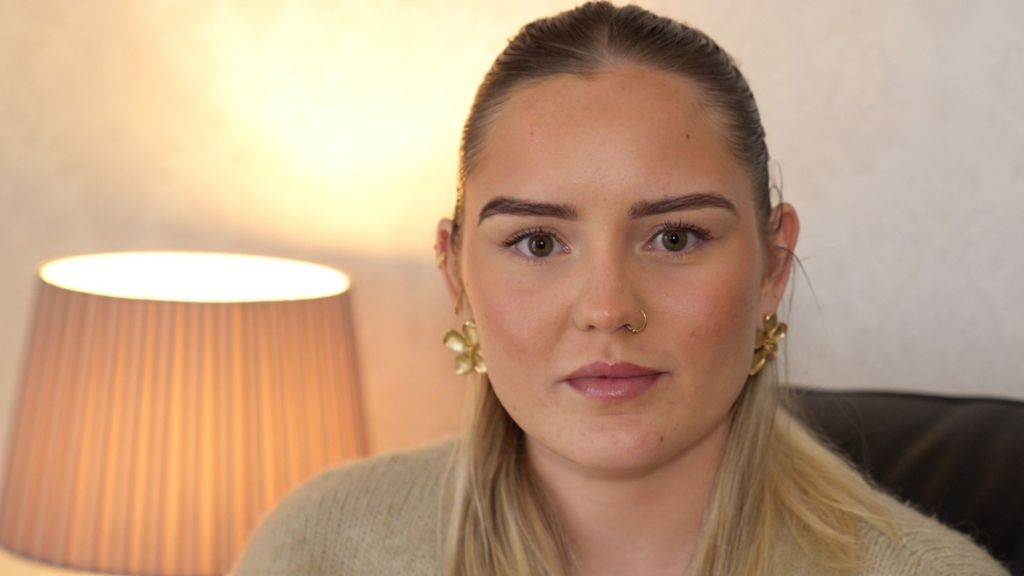
A groundbreaking medical treatment has created an unexpected immigration dilemma for a young British woman with cystic fibrosis. Regan Sparks, 23, from Benfleet, Essex, has seen her health transformed by the drug Trikafta (also known as Kaftrio) since it became available through the NHS in 2020. The medication has enabled her to pursue activities previously unimaginable for someone with her condition—securing employment, establishing relationships, and even training for marathons.
However, when Sparks applied for an Australian working holiday visa in 2023, her medical success story became an administrative obstacle. Australia’s immigration health requirements impose a cost threshold of A$86,000 (£45,700) for potential medical expenses during a visa period. With Trikafta costing A$250,000 (£133,000) annually, her application was denied despite her improved health status and ability to function normally.
The rejection came as a profound disappointment to Sparks, who had previously completed a three-month solo backpacking trip through Southeast Asia without visa complications. ‘I’ve never let my CF stop me from doing anything,’ she stated. ‘The fact that just on paper you’re denying me for something completely out of my control feels like a kick in the teeth.’
Sparks has proposed that Australia implement alternative measures for such cases, including allowing applicants to sign health waivers or fully fund their own treatment. The Australian Department of Home Affairs maintains that all applications are assessed individually, with health conditions not automatically leading to rejection. The department is currently reviewing its migration health requirements, including the significant cost threshold, with findings to be published later.