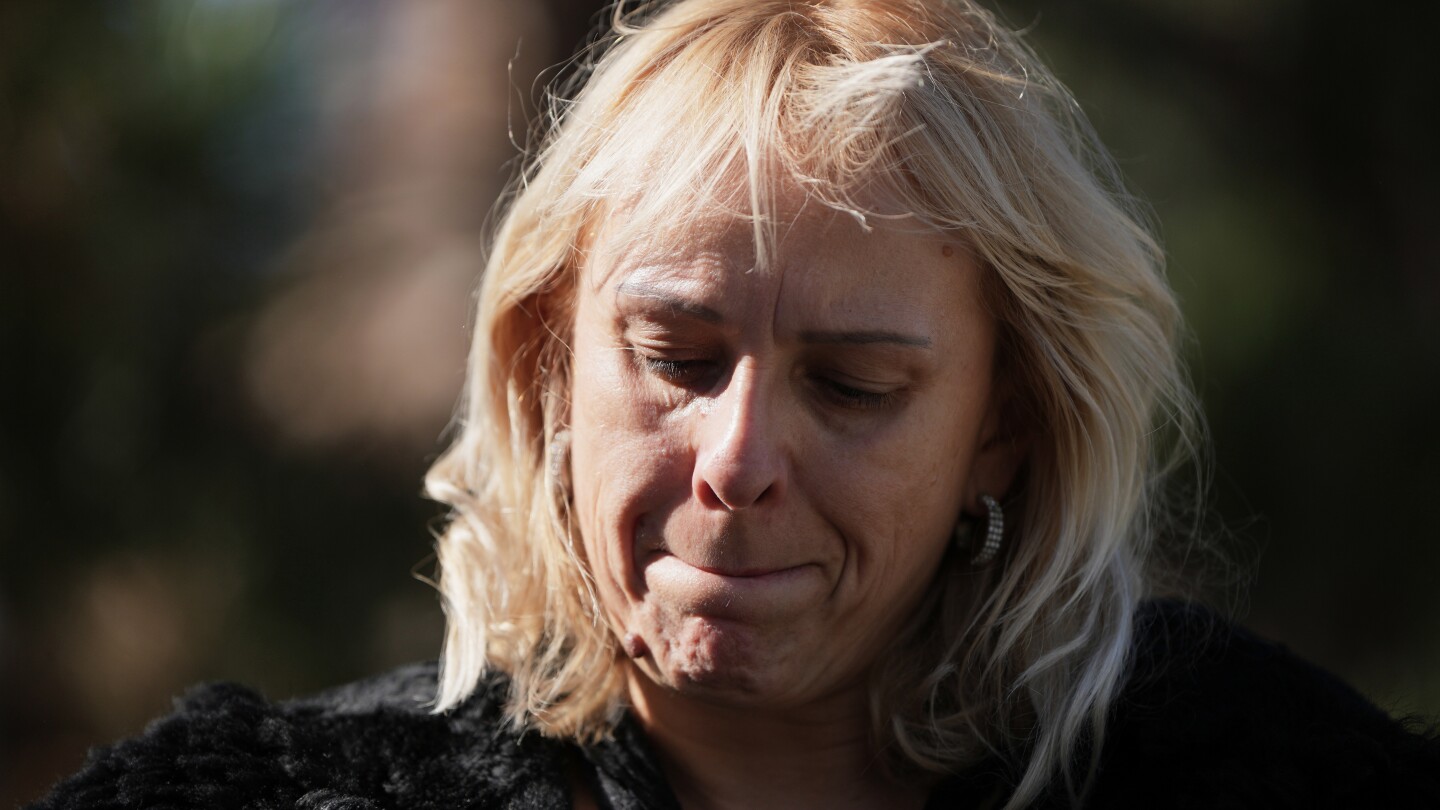
BELGRADE, Serbia — Dijana Hrka’s life was irrevocably altered on November 1 last year when a catastrophic partial building collapse at a train station in Serbia’s northern city of Novi Sad claimed the life of her 27-year-old son, Stefan, along with 15 others. The tragedy, which also left one woman severely injured, has since ignited widespread anti-government protests across the country, challenging the autocratic rule of President Aleksandar Vucic. Hrka, 47, has emerged as a vocal advocate for justice, joining tens of thousands of protesters demanding accountability for the lives lost and an end to systemic corruption in construction and governance. The protests, which have rattled Vucic’s administration, are set to intensify on the first anniversary of the disaster. Authorities have yet to address the underlying grievances, with discontent simmering over the government’s crackdown on dissent, including detentions and job losses. Hrka, who has faced threats for her activism, remains resolute, drawing strength from the youth-led movement. “Once you lose what is dearest to your heart, you lose fear,” she said. The anniversary protest aims to pressure Vucic to call for early parliamentary elections and ensure those responsible for the collapse face justice. While prosecutors have charged 13 individuals, including engineers and officials, skepticism remains about the transparency of the judicial process. The protest, though intended as a peaceful commemoration, carries the risk of violence, given previous clashes between police and demonstrators. Amid the tension, university students have embarked on a cross-country trek to Novi Sad, symbolizing unity and resilience. Hrka’s unwavering determination and the youth’s activism continue to challenge the status quo, keeping the memory of the victims alive and demanding systemic change.
A defiant mother seeks justice for Serbian train station collapse that killed her son and 15 others