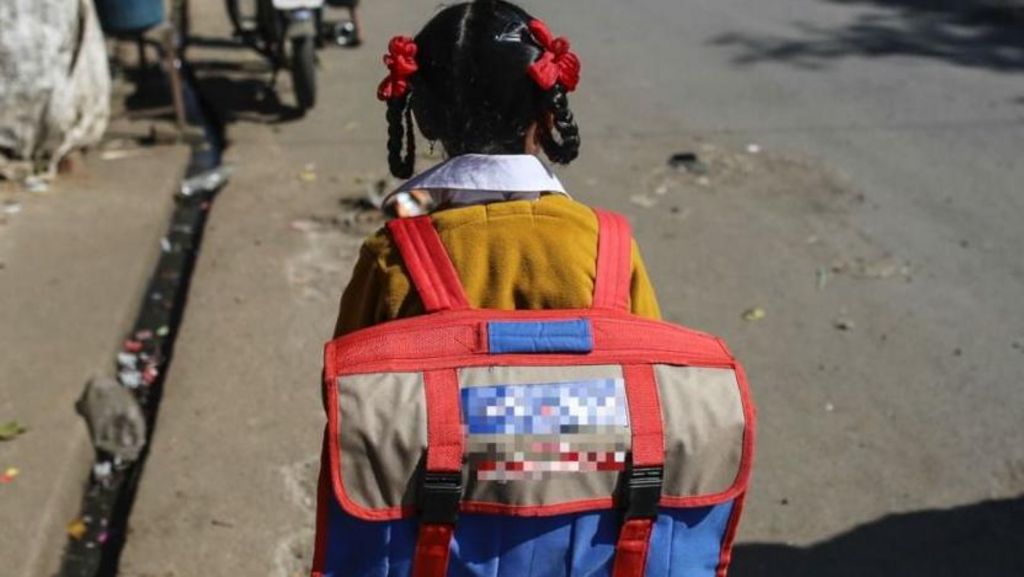
India’s juvenile justice system, established to protect young offenders, is systematically failing thousands of children across the nation despite comprehensive legislation. The case of Pooja (name changed), who spent six years in adult prison for alleged murder despite being a minor at the time of arrest, exemplifies the system’s critical implementation gaps.
Arrested in 2018 from Uttar Pradesh’s impoverished neighborhood, Pooja should have been presented before a Juvenile Justice Board (JJB) within 24 hours as mandated by law. Instead, she remained in adult incarceration for six years until her case was finally transferred to a JJB in 2024, which confirmed her minor status and ordered her immediate release.
This case represents broader systemic failures documented in the India Justice Report, which reveals that over half of cases before 362 JJBs remained pending in 2023. Critically, one in four JJBs lacks a full bench despite legal requirements, while approximately 745 districts nationwide share only 707 JJBs.
The system’s weaknesses extend beyond judicial panels to rehabilitation facilities. Child care institutions, observation homes, and special homes frequently suffer from overcrowding, inadequate counseling services, and insufficient educational or vocational programs. Many facilities fail to maintain mandated age-based segregation, creating environments where violence, sexual abuse, and gang culture replication occur.
Experts attribute these failures to multiple factors: poor governmental oversight, insufficient data transparency, and widespread apathy among officials. Maja Daruwala of IJR emphasizes that data deficiencies indicate inadequate oversight and accountability mechanisms. Meanwhile, frontline workers like Fr Antony Sebastian of Echo NGO note that many authorities believe children in the system are ‘beyond help,’ contradicting the law’s rehabilitative spirit.
Successful rehabilitation models do exist. Organizations like Echo demonstrate that vocational training in dairy farming, poultry management, and hotel operations, combined with consistent counseling, can effectively reintegrate even those convicted of serious offenses like murder and rape. Their success stories prove that with appropriate intervention, meaningful transformation is possible.
The 2012 Delhi gang rape case prompted significant juvenile justice reforms, including provisions trying children 16-18 as adults for heinous crimes. However, implementation failures continue undermining these legislative advances, leaving thousands of children like Pooja without proper legal protection or rehabilitation opportunities.