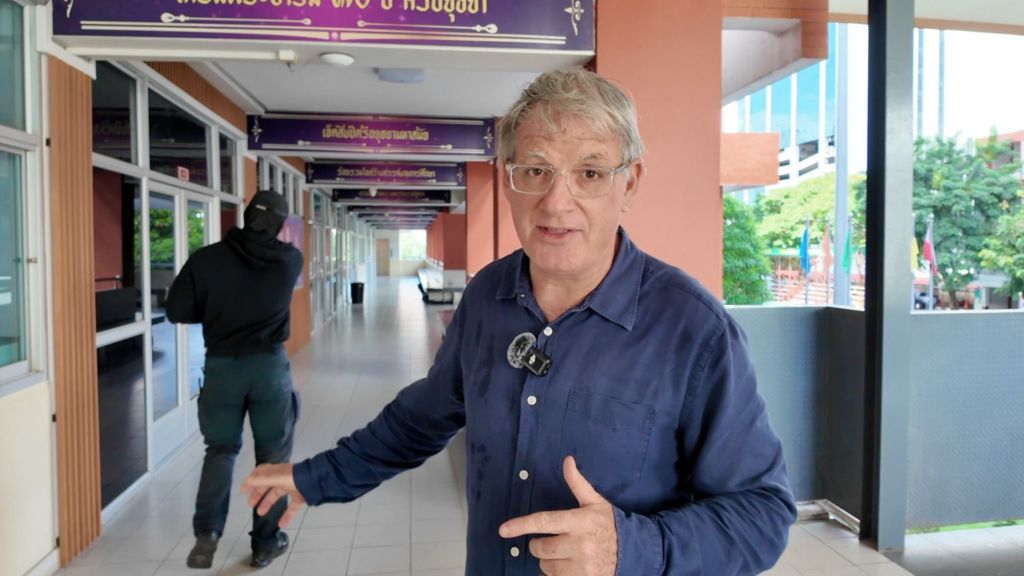
In the wake of a string of deadly violent attacks targeting educational institutions across Thailand, law enforcement agencies have rolled out widespread active shooter preparedness drills, aiming to equip students and school staff with life-saving skills to respond if an active attacker enters a campus. This push for emergency preparedness comes as alarming data shows a steady uptick in school shooting incidents across Southeast Asia, stoking widespread public anxiety about the safety of children and adolescents in learning environments.
Thailand’s national police force has emphasized that regular, realistic drills are a critical frontline defense against potential attacks. By walking students through step-by-step emergency protocols — including lockdown procedures, hiding strategies, and evacuation routes — organizers hope to cut down on confusion and panic during a real crisis, ultimately reducing the risk of casualties. Training sessions also include guidance for school administrators and teachers on how to coordinate with first responders, closing communication gaps that can slow emergency response.
Regional security analysts note that the growing frequency of school shootings in Southeast Asia has pushed governments across the bloc to reevaluate campus safety standards. Unlike many Western nations that have integrated active shooter drills into standard school safety protocols for decades, most Southeast Asian countries have only recently begun rolling out this kind of training, in response to high-profile attacks that have shocked local communities. The drills being conducted in Thailand serve as a test case for other nations in the region looking to strengthen their own campus security frameworks.