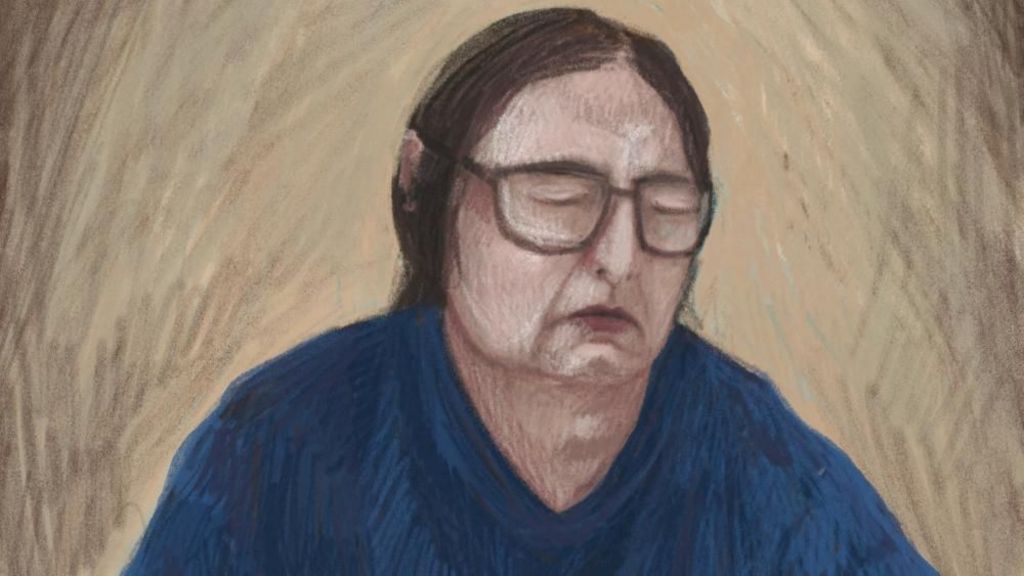
One of Australia’s most high-profile homicide cases has returned to the courtroom this week, as two separate appeals over the conviction and sentencing of Erin Patterson, the woman convicted of poisoning three family members with toxic death cap mushrooms, are heard by Victoria’s Court of Appeal. The 51-year-old appeared before the court via video link from her prison cell, as both state prosecutors and her own legal team pushed for competing outcomes that could reshape her lifetime behind bars.
In 2023, Patterson hosted a family lunch at her regional Victoria home, where she served a beef Wellington laced with deadly foraged death cap mushrooms. Three of her guests – her in-laws Don and Gail Patterson, both 70, and Gail’s 66-year-old sister Heather Wilkinson – died days later after suffering acute poisoning. The fourth guest, Heather’s husband Ian Wilkinson, survived the attack but has never regained full health after the ordeal.
Patterson was found guilty of three counts of murder and one count of attempted murder late last year, and sentenced to life in prison with a minimum non-parole period of 33 years, meaning she could apply for release once that term is served. Now, Crown prosecutors have launched an appeal against that sentence, arguing it is “manifestly inadequate” and that Patterson’s crimes are so severe she should never be granted an opportunity to leave prison.
In court on Thursday, prosecutor Brendan Kissane laid out the extreme gravity of the offenses, describing the killings as “truly dreadful” acts of calculated betrayal. Prosecutors told the court the murders were the end result of a months-long plot Patterson orchestrated: she sourced and prepared a lethal quantity of death cap mushrooms, invited trusted family members who had supported her and her children for years to the lunch, and constructed an elaborate cover story to conceal her plans before the attack.
Worse, prosecutors argued, Patterson sat idle as her guests ate the toxic meal, even joining in small talk before the gathering ended with a prayer for her, after she falsely claimed she had been diagnosed with cancer. As victims fell critically ill in the days after the lunch, Patterson never admitted to serving foraged poisonous mushrooms, instead maintaining her lies to police, medical workers, and investigators even after multiple guests were placed on life support.
When handing down the original sentence in September last year, Justice Christopher Beale ruled that Patterson would be eligible for parole after 33 years, noting that he was granting a small possibility of release solely due to the “harsh” conditions of her imprisonment. Beale explained that for her own safety, Patterson would likely spend years in solitary confinement, a reality that justified leaving open a glimmer of eventual release.
But prosecutors pushed back against that reasoning this week, arguing that the judge had overstated the severity of Patterson’s long-term prison conditions. They noted that Patterson already has access to a range of prison activities, including time in an exercise yard and opportunities to pursue hobbies such as crocheting, and that conditions will likely improve as her notoriety fades over time. Court reporters noted that Patterson closed her eyes and shook her head as Kissane outlined these prison privileges in court.
Prosecutors argued that the original 33-year minimum term, just three years above the statutory 30-year minimum for the offenses, “utterly fails to reflect the gravity of the offending or vindicate the dignity of each of the four victims.” If the Court of Appeal declines to order a full life sentence with no chance of parole, they said, the court should at minimum extend the non-parole period to properly reflect the harm of the crimes.
Alongside the prosecution’s sentence appeal, the court is also hearing a separate challenge from Patterson’s legal team, who are asking to have her convictions entirely overturned. Patterson’s lawyers argue that her 2024 trial was compromised by a “catastrophic” procedural error: the jury was housed at the same hotel as the prosecution team and a key prosecution witness, creating an unacceptable risk of improper contact that undermined the fairness of the trial. They also claim that some evidence presented during the trial was overly speculative and should never have been put before the jury, amounting to a miscarriage of justice.
After both sides completed their arguments this week, the three appeal judges announced they would reserve their decisions on both appeals. A final ruling is not expected for several weeks or months, leaving the final outcome of the high-profile case uncertain for the time being.