A murder investigation in Ireland has entered a critical international phase, after a 40-something woman was found dead at her home in a quiet residential area of Killarney, and the primary person of interest fled the country before law enforcement could question him.
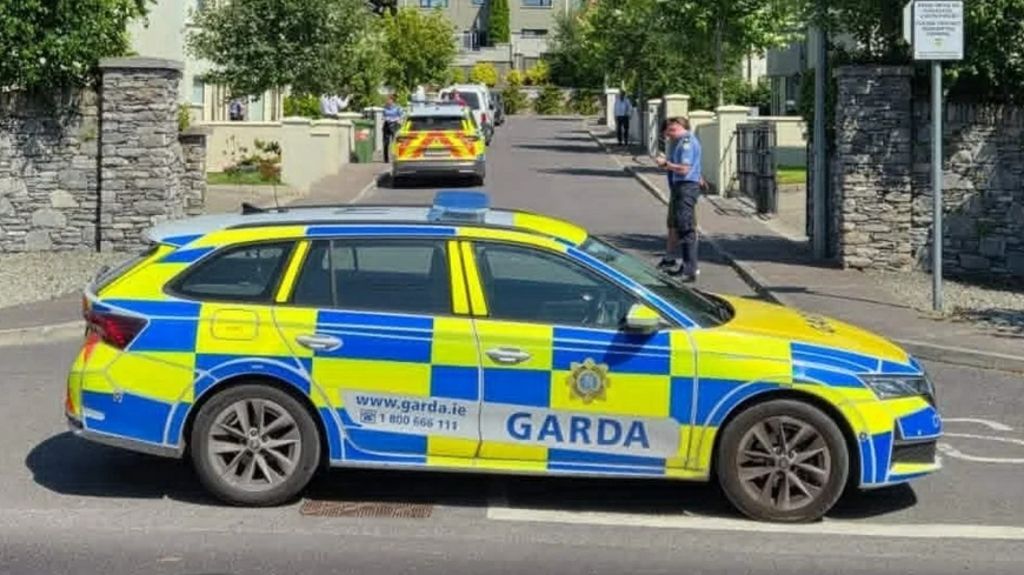
Last Tuesday, Gardaí – the national police force of the Republic of Ireland – were dispatched to the Homeland housing estate in County Kerry following reports of an incident. At the scene, they pronounced 40-something Jamey Carney dead. Originally from New York, Carney had relocated to the Killarney neighborhood roughly five years prior, where she lived with her daughter. Local communities have been rocked by the violent death of the transplants, who had built a new life in the rural Irish town.
By Thursday, Gardaí confirmed that the man they wished to speak to in connection with Carney’s killing had already left Irish jurisdiction. Official reports from Irish public broadcaster RTÉ indicate the suspect traveled by bus from Killarney to Dublin, where he caught an international flight bound for Jordan – his country of origin – and is understood to be currently residing there. The suspect is known to Carney, though police have not released his public identity at this stage of the investigation.
In a statement to RTÉ, Irish Justice Minister Jim O’Callaghan confirmed that Gardaí are preparing to coordinate directly with Jordanian law enforcement to advance the investigation. Both Interpol and Europol have already been notified of the case and the manhunt, joining an international network of law enforcement that is supporting Ireland’s inquiry.
“ No matter where you are, the gardaí will seek to pursue you,” O’Callaghan said, stressing the force’s commitment to seeing the investigation through. The minister also extended formal condolences to Carney’s family and friends, acknowledging the pain of their loss amid an ongoing manhunt.
A key complicating factor in the case is the absence of an extradition treaty between Ireland and Jordan. O’Callaghan openly acknowledged the challenges this creates, noting that he would not downplay the difficulties of bringing a suspect to justice from a country with no formal extradition agreement. “It obviously is difficult. I’m not going to try and make it sound easy. If he’s in a country where we don’t have an extradition agreement, it may be difficult to get him,” he said.
Even so, the minister emphasized that Irish police have robust existing relationships with law enforcement agencies across the globe. After speaking directly with the Garda Commissioner, O’Callaghan confirmed that investigators are following a clear, defined line of inquiry and will exhaust every possible avenue to ensure that if charges are brought, the suspect is brought to trial in Ireland. “I know that they will be pursuing every line of inquiry to ensure that a person, if that person is charged with an offence, can be brought to justice here,” he said.