A dangerous reckless stunt has left a 16-year-old Australian teenager fighting for his life after he fell from the exterior of a moving commuter train in Sydney’s inner west over the weekend, prompting major service disruptions for thousands of rail passengers and renewing scrutiny of a long-unaddressed public safety crisis.
The incident unfolded early Saturday between the St Peters and Sydenham stations, where emergency responders were alerted to the fall just minutes after it occurred. Initial investigations from New South Wales Police confirm the teen was participating in the illegal and extremely high-risk activity known as “train surfing” — a dangerous trend that sees thrill-seekers climb outside moving train carriages to ride for entertainment or social media content.
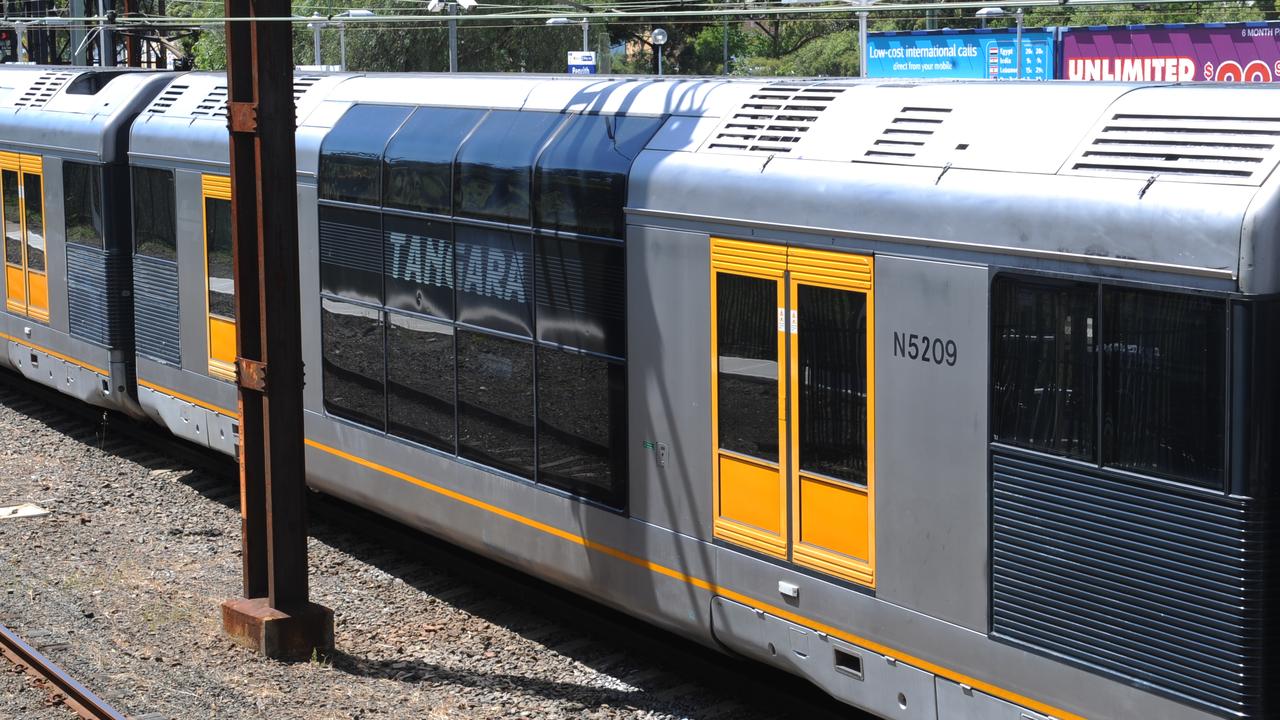
After tumbling from the side of the moving Tangara-model T-set train onto the tracks below, the teenager suffered life-threatening injuries to his head and arm. NSW Ambulance paramedics administered urgent first aid at the scene before airlifting the patient to Royal Prince Alfred Hospital in Camperdown, where he remains in critical but stable condition as of the latest update.
Members of the Inner West Police Area Command launched a full investigation into the circumstances of the incident to confirm the details leading up to the fall, according to an official statement from NSW Police.
Beyond the medical emergency, the incident caused widespread disruption to Sydney’s entire central rail network. Multiple suburban lines were suspended temporarily, and all services departing Central Station faced extended schedule delays that lasted for hours, impacting tens of thousands of morning commuters.
Notably, the train involved in Saturday’s accident is the same model of double-decker T-set that the current Minns Labor government targeted for safety upgrades last year. Following repeated public safety alarms over rising train surfing incidents, the government pledged to install specialized anti-climbing safety devices across the entire T-set fleet by the end of 2026, a rollout that remains years from completion.