LONDON – More than two decades after a brutal rape in Greater Manchester upended two innocent lives, the perpetrator has finally faced justice, while long-simmering questions about one of Britain’s worst modern miscarriages of justice have sparked a major reckoning over systemic failures in the country’s legal and law enforcement systems.
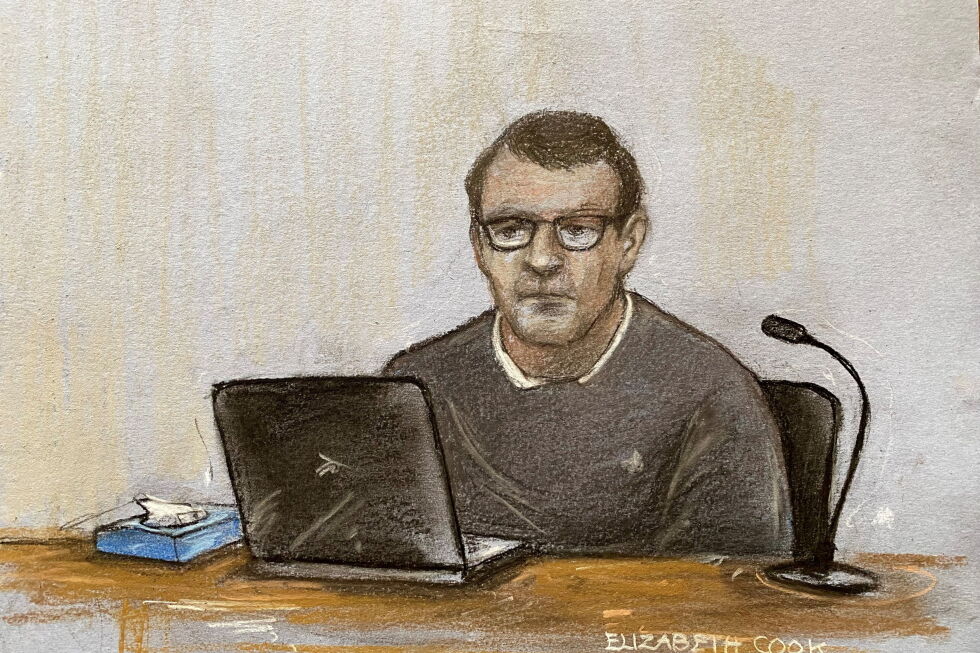
On Friday, 52-year-old Paul Quinn, a father of six with a record of sexual offenses dating back to age 12, received a 21-year prison sentence for the 2003 attack that wrongfully put Andrew Malkinson behind bars for 17 years. Quinn, who was 29 at the time of the crime, was found guilty on four charges in April following a six-week trial at Manchester Crown Court: two counts of rape, one count of choking with intent to harm, and one count of grievous bodily harm. His sentence includes 21 years of custody and an additional three years of supervised release on license, with eligibility for parole after serving 14 years.
During the sentencing hearing, Justice Robert Bright delivered a scathing rebuke of Quinn, noting that the perpetrator had spent decades freely while an innocent man paid for his crime. “You sat back and enjoyed your liberty at the expense of an innocent man,” the judge told Quinn.
The case of wrongful conviction that preceded Quinn’s sentencing has shaken public trust in Britain’s justice system. Malkinson, now 60, was working as a security guard at a local shopping center when he was identified by the victim in a police lineup. He was convicted in 2004 and handed a life sentence with a minimum seven-year term. Refusing to accept a false guilty plea to secure early release, Malkinson always insisted on his innocence, and ended up serving 10 extra years beyond the judge’s minimum tariff before being paroled in 2020. Even after release, he remained listed on the U.K.’s national sex offenders registry, a stain that lingered until his conviction was officially overturned. It was only in July 2023 that the Court of Appeal quashed Malkinson’s conviction, after advances in genetic forensics allowed his legal team and the anti-wrongful-conviction charity Appeal to match DNA evidence from the victim’s clothing fragments to Quinn.
Malkinson, who has spent years fighting to clear his name, has expressed anger that Quinn did not receive a life sentence. In a statement released through Appeal, he said, “I hope that this man does not get parole and that he serves longer than me. Anything less is not justice.”
Quinn’s sentencing closes one chapter of Malkinson’s decades-long ordeal, but the fallout from the case is far from over. Malkinson is currently seeking financial compensation from the British government for the 17 years he wrongfully spent in prison, and he has raised questions about whether police improperly pressured the victim during the initial lineup identification. His legal representative Toby Wilton of the law firm Hickman & Rose explained, “While Andy is relieved this chapter of his ordeal is now closed, it is not the end of this matter as far as he is concerned.”
A 2024 independent review already confirmed that multiple institutional failures delayed Malkinson’s exoneration by as much as 10 years, prompting the launch of a full public inquiry into the case. Currently, five retired Greater Manchester Police officers and one active-duty officer are under criminal investigation over the mishandling of the case, and two senior leaders at the U.K.’s official wrongful conviction review body have already stepped down amid the scandal.
Greater Manchester Police has issued a formal apology to Malkinson. Detective Chief Superintendent Rebecca McKendrick, the lead senior investigating officer on the reopened case, acknowledged that justice came 20 years too late for all those impacted. “However, we will not allow time to be a barrier to justice for anyone who has further information about Paul Quinn and any further potential sexual offending,” McKendrick said.