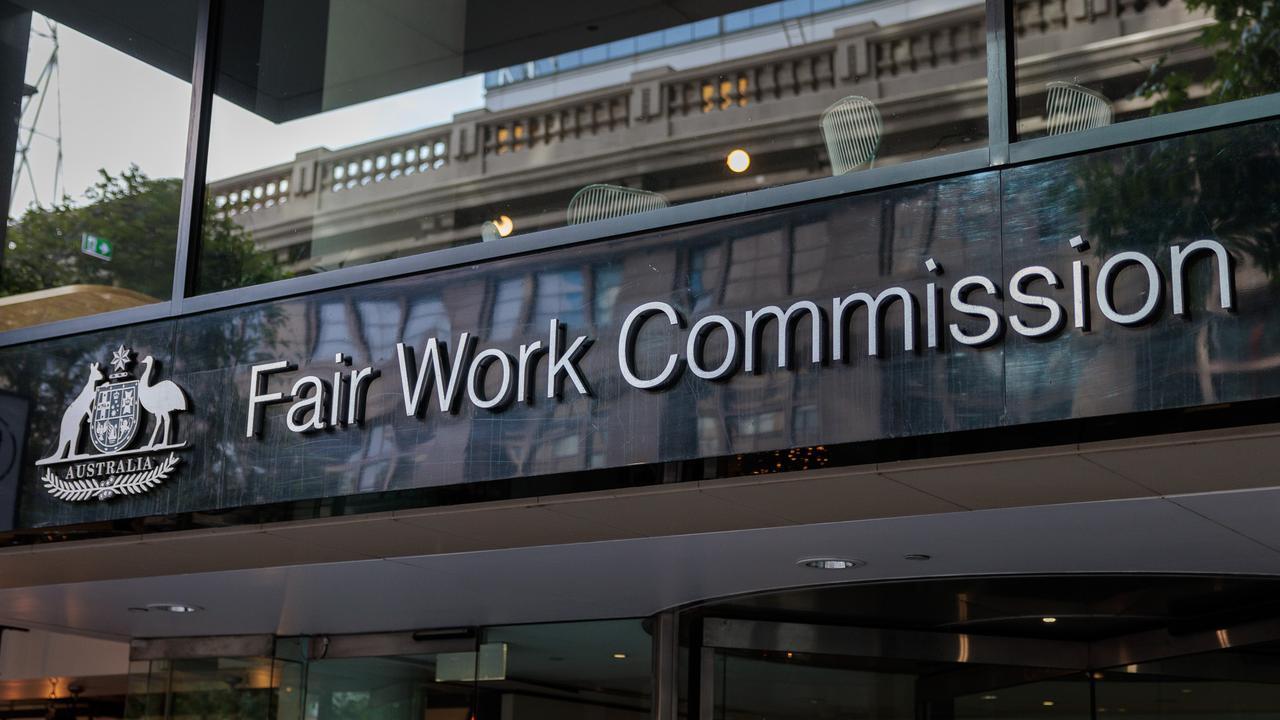
An Australian casual security surveillance officer has secured a legal victory after the country’s Fair Work Commission (FWC) ruled his termination for falling asleep on duty was harsh and unjust.
Chanaka Ranawakage had been employed by MSS Security, a national security services provider contracted to government agencies across Australia, for roughly one year before his dismissal in October last year. The officer was assigned to a 7pm to 5am night shift with Sydney Trains, the New South Wales state government-owned rail operator, when he was spotted sleeping in his personal vehicle while on shift.
Three misconduct allegations were brought against Ranawakage following the incident: that he failed to complete required patrols for an extended period, neglected to offer backup to his work partner, putting the colleague at unnecessary risk, and was found asleep on duty with a sports match streaming on his mobile phone. FWC Deputy President Judith Wright, who delivered the ruling on Tuesday, only upheld the third allegation, dismissing the other two claims due to lack of supporting evidence.
Ranawakage argued he had been on an official break when he fell asleep, though he acknowledged he failed to log the break in his shift records. Wright accepted this account, noting there was no evidence the officer had already taken his allotted break time earlier in the shift. She also confirmed that MSS Security and Sydney Trains did not prohibit surveillance officers from streaming content during breaks, as long as they remained available to respond to operational alerts. Wright did, however, agree that sleeping during a break ran counter to the requirements for on-duty staff to remain alert and responsive at all times.
Despite confirming the misconduct, Wright found the termination was disproportionate to the offense. Key to her ruling was the fact that Ranawakage had maintained a spotless, positive employment record with MSS Security in the year leading up to the incident, with no prior performance concerns. Wright also noted the incident was an isolated, unintentional occurrence, not a deliberate violation of company policy. She pointed out that the discovery of Ranawakage sleeping came shortly after Sydney Trains had raised broader concerns about security staff napping on shift, making it an unfortunate coincidence rather than a pattern of poor conduct.
Instead of ordering Ranawakage’s reinstatement to the role, the FWC ruled that appropriate remedy for the unfair dismissal was financial compensation. MSS Security has been ordered to pay Ranawakage the equivalent of five weeks of base wages, plus additional superannuation contributions, minus standard tax deductions. The ruling has drawn attention to workplace justice standards in Australia’s security sector, where casual workers often face less job protection than permanent employees, and highlights the FWC’s approach to balancing employer policy requirements with fair treatment of staff for isolated, low-severity misconduct.