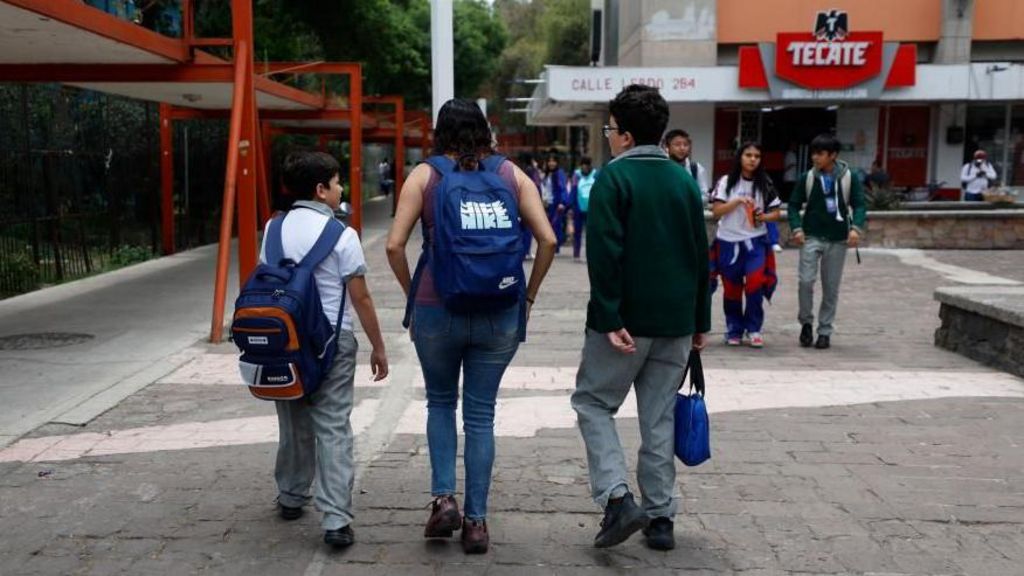
A weeks-long controversy over proposed early school year closures tied to the upcoming 2026 FIFA World Cup and an expected extreme heatwave has come to an end, with Mexican authorities reversing their original plan following fierce public pushback from parents and education advocates across the country.
The 2026 FIFA World Cup, which will be the first 48-team edition of the global football tournament, is set to run from June 11 to July 19, co-hosted by Mexico, the United States, and Canada. On May 7, Mexican Education Minister Mario Delgado announced a controversial proposal to wrap up the 2025-2026 academic year on June 5, more than five weeks ahead of the original scheduled end date, citing the need to reduce urban traffic congestion during the tournament and mitigate risks to student health from a projected extreme heatwave.
The proposal immediately sparked a wave of public outcry. Parents across the country raised urgent concerns that cutting the school year short would disrupt consistent learning progress for children, while thousands of working households reported the sudden change threw their care arrangements into chaos. Many families struggled to find last-minute childcare to cover the five extra weeks of unexpected school closure, with limited time and resources to adjust their work and personal schedules. The National Union of Parents issued a particularly fierce rebuke, arguing that using the World Cup as a justification for cutting short classroom time was “inexcusable”.
Days after the initial announcement, Mexican President Claudia Sheinbaum stepped in to clarify that the early closure had only ever been an internal proposal, not a final policy. Following additional rounds of consultations between the Ministry of Education, parent representative groups, and independent education think tanks, the administration formally scrapped the plan this Monday. Under the revised policy, the academic year will now conclude on its originally scheduled date of July 15, aligning with standard academic calendars.
Beyond the school calendar controversy, President Sheinbaum has moved to reassure visiting football fans ahead of the tournament, confirming that Mexico will maintain full security conditions for all spectators and participants. Security preparations have faced intense international scrutiny in recent months, following a surge of organized violence across parts of the country two months prior. The unrest erupted after the death of notorious drug cartel leader Nemesio “El Mencho” Oseguera, who died from injuries sustained during a clash with Mexican military forces deployed to arrest him. In retaliation, members of El Mencho’s cartel carried out coordinated attacks that included burning civilian vehicles and spreading widespread panic across multiple regions.
Sheinbaum also reaffirmed that all major infrastructure projects tied to the tournament, including renovations to Mexico City’s iconic Azteca Stadium and upgrades to the capital’s Benito Juárez International Airport, will be fully completed on schedule ahead of the first match kickoff. The president emphasized that Mexico is fully prepared to welcome fans from across the globe and deliver a safe, successful World Cup experience.