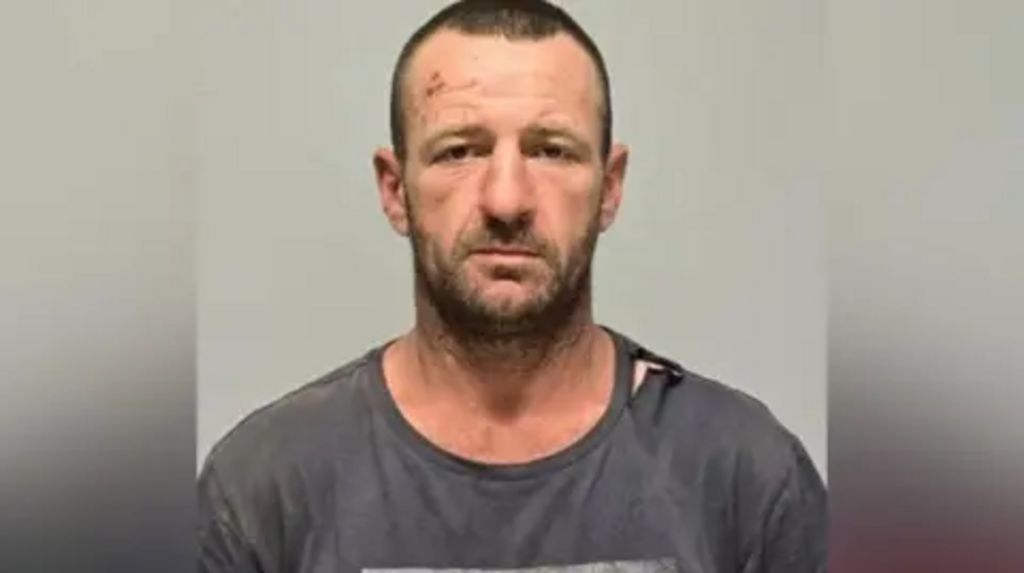
Four months after a horrific triple shooting that left three people dead — including a seven-month pregnant woman — in the small Australian outback town of Lake Cargelligo, authorities have confirmed the discovery of a body believed to be that of the prime suspect, Julian Ingram.
The tragedy dates back to January 22, when Ingram, a local council worker who had been granted bail on prior domestic violence offences, allegedly opened fire on his ex-partner Sophie Quinn, who was expecting a child due in March, Quinn’s close friend, and Quinn’s aunt. All three died at the scene. A 19-year-old man who was also attacked in the shooting survived with serious injuries and has since been discharged from hospital, police confirmed.
In the immediate aftermath of the killings, law enforcement launched a massive manhunt, deploying roughly 100 officers to scour the remote region surrounding Lake Cargelligo, a community of just 1,500 residents located around 450 kilometres west of Sydney. Assistant Commissioner Andrew Holland noted at the time that Ingram’s long-term work in the area had given him intimate local knowledge, allowing him to stay off the grid for an extended period. He was not spotted after the day of the shootings.
The breakthrough came when wildlife officers conducting routine feral pest eradication operations stumbled across the remains 50 kilometres northwest of the murder site, next to an abandoned utility vehicle. On Monday, Holland told reporters that forensic and on-site checks have already linked the vehicle to Ingram. “Based on the identification evidence from the scene and the clothing the deceased was wearing, we are confident this is Julian Ingram,” Holland told reporters, according to Australian public broadcaster ABC.
Investigators added that the body appeared to have been left at the remote location for a significant amount of time, consistent with Ingram having disappeared shortly after the January attacks. For the tight-knit community of Lake Cargelligo that has lived under the shadow of the unsolved case for months, the discovery marks a pivotal turning point. Holland said the finding brings a formal close to the active investigation, and can offer some measure of comfort to a shaken town, allowing residents to finally move forward after the tragedy.