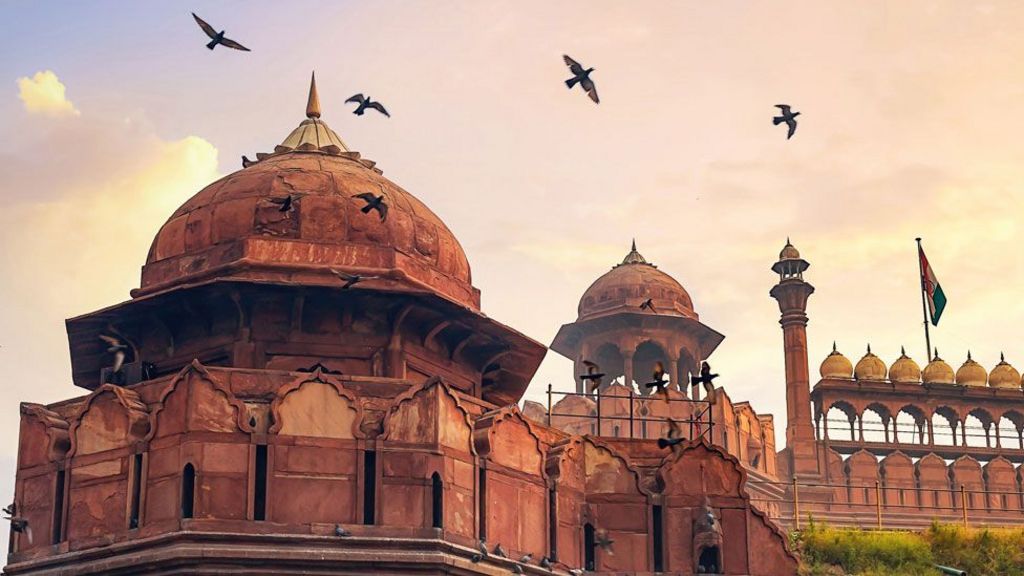
A groundbreaking study has revealed that severe air pollution in New Delhi is causing the formation of ‘black crusts’ on the walls of the Red Fort, a 17th-century Mughal-era monument and one of the city’s most iconic landmarks. The research, conducted between 2021 and 2023 by a team of Indian and Italian scientists, found that these crusts—deposits resulting from chemical interactions between pollutants and the fort’s red sandstone walls—range from 0.05mm to 0.5mm in thickness. If left unchecked, they could damage the fort’s intricate carvings and architectural elements. Published in the peer-reviewed journal Heritage in June, the study is the first to comprehensively analyze the impact of air pollution on this historic structure. Delhi, one of the world’s most polluted cities, frequently grapples with hazardous air quality, particularly during winter. The researchers identified particulate matter (PM2.5 and PM10) as primary contributors to the blackening and deterioration of the fort’s surfaces. They also observed blistering and flaking on the walls, warning that the phenomenon could worsen without timely conservation efforts. The study recommends applying stone protectives or sealants to highly affected areas to mitigate further damage. The Red Fort, built by Mughal Emperor Shah Jahan, holds immense historical significance, having served as the site where India’s first Prime Minister, Jawaharlal Nehru, hoisted the national flag after independence in 1947. This alarming discovery echoes previous concerns about pollution’s impact on India’s heritage, such as the discoloration of the Taj Mahal.