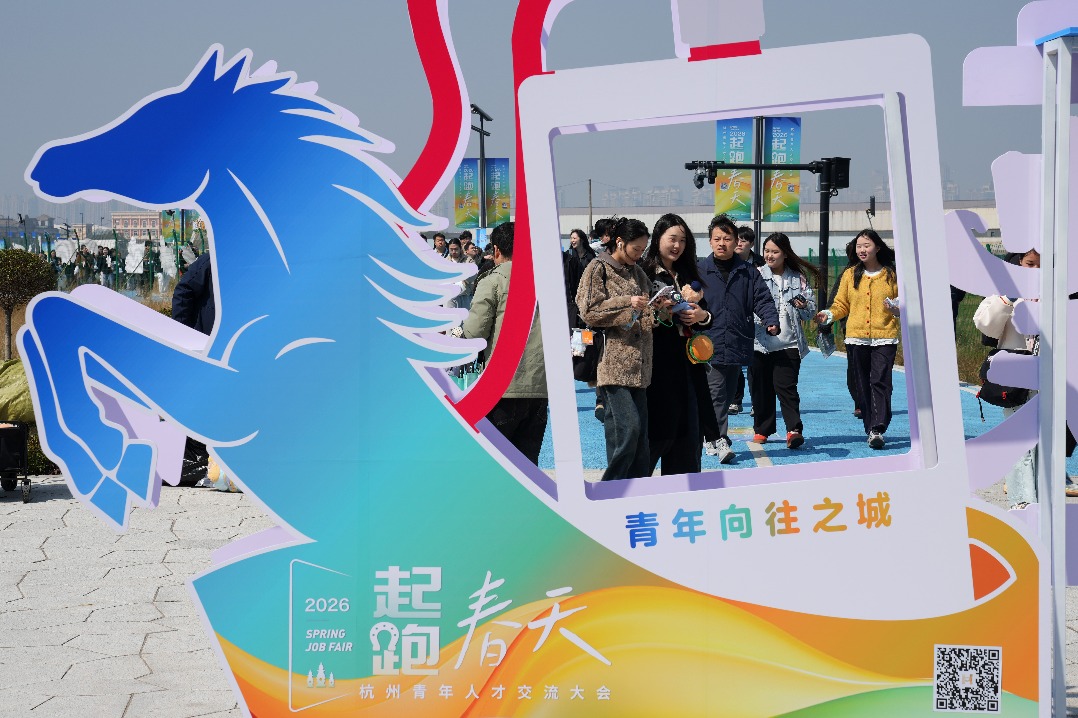
BEIJING – In a landmark push to center young people’s needs in national urban development strategy, 15 Chinese government agencies including the Communist Youth League of China (CYLC), the Cyberspace Administration of China, the National Development and Reform Commission, and the Ministry of Education have jointly released a comprehensive policy package designed to cultivate youth-friendly cities across the country. The initiative forms a core part of China’s broader goal to build people-centered modern cities and inject new vitality into social and economic development, with clear long-term targets set for 2030 and 2035.
Outlined in the newly published guidance are 18 targeted measures that aim to reshape Chinese cities into dynamic hubs where young people can access high-quality career opportunities, enjoy improved living standards, and actively participate in urban governance. Framed as a practical implementation of China’s “people’s city” development philosophy, the policy requires that youth-centric development priorities be integrated into every stage of urban planning, infrastructure construction, and public governance. Local authorities are mandated to systematically improve conditions to help young people relocate to urban areas, settle smoothly, live comfortably, and build fulfilling careers.
To address young people’s top priority of employment and entrepreneurship, the policy lays out multiple supporting initiatives. At the industrial level, China will strengthen coordination between technological progress and industrial innovation, advance the transformation and upgrading of traditional sectors, nurture fast-growing emerging industries, and lay the groundwork for future-focused industries, all with the goal of creating more high-quality jobs that support youth innovation. Young entrepreneurs will receive expanded support through specialized platforms such as youth entrepreneur associations and targeted training programs for private sector professionals, to boost the participation of young talent in the private economy. The guidance also calls for optimized mechanisms to identify, train and deploy young innovative talent, encourages young researchers to take leading roles in national major scientific and technological projects, and provides enhanced support for youth-led startups in funding, technological resources, and workspaces.
Beyond economic opportunities, the policy addresses key quality of life challenges facing young urban residents. In urban planning, local governments are required to add youth development indicators to official city evaluation systems, allocate more public space tailored to young people’s needs during urban renewal projects, and explore flexible planning standards to support youth-focused public services. To ease rising housing and commuting pressures, cities are encouraged to construct more dormitory-style housing and small, affordable apartments in areas with high youth employment concentrations, near education and medical facilities, and along major public transit routes. The package also includes provisions to expand public services that support young families: it calls for rolling out childcare subsidies, implementing coordinated support policies covering housing, transportation and consumption to encourage childbirth, increasing the number of mother-and-child facilities in public spaces, and expanding the availability of maternity and child-friendly hospitals to improve maternal and child healthcare.
The policy sets out clear phased goals for the initiative: by 2030, the development concept of building youth-centered cities will be broadly accepted and implemented across the country; by 2035, China aims to establish a relatively complete and mature institutional system for youth-oriented urban development. Officials note that the initiative will not only improve well-being for young people, but also drive long-term sustainable social and economic growth by leveraging young people’s creativity and dynamism.