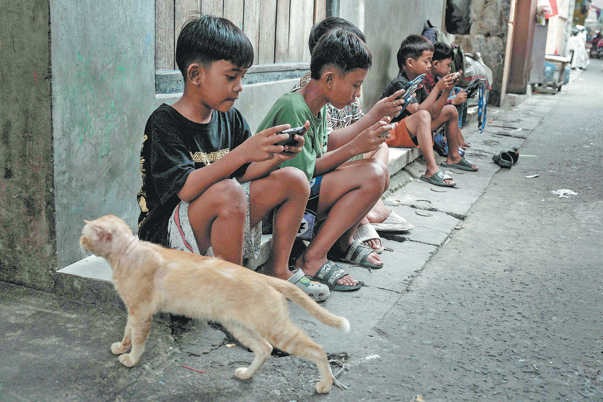
When 11-year-old Kalam from Bekasi, West Java settles into his weekend routine, one of his favorite pastimes is logging into Roblox, the global sandbox gaming platform, to spend 1 to 2 hours exploring adventure maps and competing in car races with his friends. That small joy, however, is set to disappear starting March 29, when a sweeping new Indonesian government regulation kicks in to cut off access for all users under 16 to eight high-profile digital platforms, including Roblox.
The policy, formally called the Regulation on Child Protection in Digital Space (locally known as PP Tunas), was first passed in 2025 and designates Roblox, YouTube, Facebook, Instagram, Threads, TikTok, X, and Bigo Live as “high-risk” platforms that pose threats to child safety. Under the rule, an estimated 70 million Indonesian minors under the age of 16 will lose access to these services. For Kalam, the loss stretches far beyond entertainment: as a fifth-grade student, he regularly uses YouTube to find supplementary learning materials for his classes. When asked how he would adapt if access is cut off, he shrugged, saying he was unsure how he would access learning resources beyond asking his teachers to share materials via WhatsApp, or forgoing external references entirely for schoolwork. He noted he could likely switch to the alternate sandbox game Minecraft for fun, but the disruption to his study routine remains a major uncertainty.
For 15-year-old Rasya, also a resident of Bekasi, the ban has sparked far sharper concern. The junior high school student relies on YouTube and Instagram to source math tutorials, practice English and Mandarin language skills, and research scholarship opportunities. Beyond academics, the platforms are his primary space for social connection with classmates: he and his friends regularly gather on Roblox for weekend gaming sessions, where the platform’s age-matched real-time chat policy keeps interactions safe and familiar. “Nowadays, we all use phones and the internet to look for information,” Rasya explained. “If it’s blocked it will be difficult for us to learn online.” If the ban goes into full effect, he added, he will likely feel isolated, cut off from the regular social activity that fills his free time.
Reactions to the policy among Indonesian parents are divided, even as many acknowledge the need for stronger child online protections. Diska Paramita, Rasya’s 38-year-old mother and a homemaker, is a vocal supporter of the ban. She says unregulated access to online platforms has already had visible negative impacts on her children: after playing Roblox, her kids began using inappropriate language and displayed more aggressive behavior, and she has repeatedly encountered violent and harmful content on the platform that lacks sufficient age-appropriate oversight. Since learning of the upcoming ban last year, she has already enrolled Rasya in a local basketball club to redirect his free time toward offline activity. Still, Paramita argues that restrictions alone are not enough. She called on the government to provide clearer guidance for parents on the risks of digital platforms, and to run educational workshops for both families and children in schools to help them navigate the new rules and make safer choices online.
Digital policy experts have raised critical red flags about the blanket ban approach taken by the Indonesian government. Firman Kurniawan, a digital communications researcher at the University of Indonesia, warns that cutting off all under-16 access to major mainstream platforms could push minors toward unregulated, higher-risk alternative platforms that lack any safety protections, while also eliminating the proven educational and social benefits that structured platform use can provide. “What is needed is regulation to introduce digital platforms to children at an appropriate age, so their use can be productive for educational purposes,” Kurniawan explained, arguing for a nuanced age-based access framework rather than a full shutdown.
As the March 29 enforcement deadline arrived, major platform operators have moved quickly to comply with the new regulation. Representatives from Roblox’s Indonesian office said the company would implement additional content and communication controls for players under 16 to align with PP Tunas requirements. A Google spokesperson, speaking for YouTube, said the company is reviewing the regulation to align its policies with the government’s goal of protecting child safety, while also working to preserve access to educational content for millions of young Indonesian learners. Meta, which owns Facebook and Instagram, noted it has already shifted Indonesian teen accounts to its Teen Accounts feature, a default protected mode that sets profiles to private by default, blocks messages from unknown senders, and prohibits Instagram Live access without parental consent. X confirmed it will block all under-16 users once the regulation takes effect, while TikTok said it is taking all required steps to meet regulatory expectations while maintaining a safe environment for teen users.
Indonesia’s Ministry of Communication and Digital Affairs has not issued new public comment on the ban’s implementation, but Director General of Digital Space Supervision Alexander Sabar noted on March 16 that the list of restricted platforms is not final, and may be updated in the future based on ongoing risk assessments conducted by the ministry.