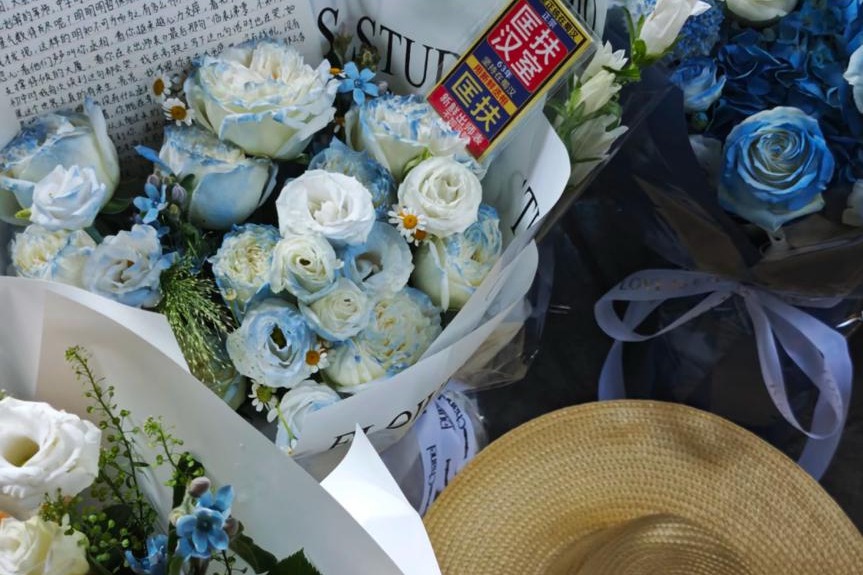
Each year, the Qingming Festival carries a long-held tradition of honoring ancestors and deceased loved ones, but in 2026, a new trend is reshaping how the holiday is observed among China’s younger generations. A growing cohort of young travelers is choosing to venture across the country to pay tribute to iconic historical figures at their final resting places, blending cultural heritage appreciation with modern acts of remembrance.
Fan Dian, a 20-year-old college student based in Kunming, Yunnan Province, is one of the many young people participating in this emerging tradition. This year, she made a special trip to the tomb of Zhuge Liang, the legendary Three Kingdoms-era strategist and statesman, bringing fresh flowers, a handwritten letter, and thoughtfully selected personal gifts to honor his legacy. Fan’s photo documentation of her visit, captured for China Daily, offers a personal glimpse into this nationwide movement.
Popular historical travel destinations have seen a notable surge in this type of respectful visitation this Qingming season. Ancient cultural hubs including Luoyang, Xi’an and Jingzhou — cities that host the tombs of countless renowned figures from Chinese history — have recorded large numbers of young visitors arriving with handwritten tributes, fresh blooms, and symbolic gifts that carry personal meaning tied to the historical figure they have come to honor.
This shift reflects a broader change in how young Chinese people engage with their national history. Rather than only learning about historical figures from textbooks or digital content, these young travelers are choosing to connect with the past through tangible, in-person acts of remembrance, turning the Qingming Festival into an opportunity for both cultural exploration and personal connection to China’s thousands of years of history.