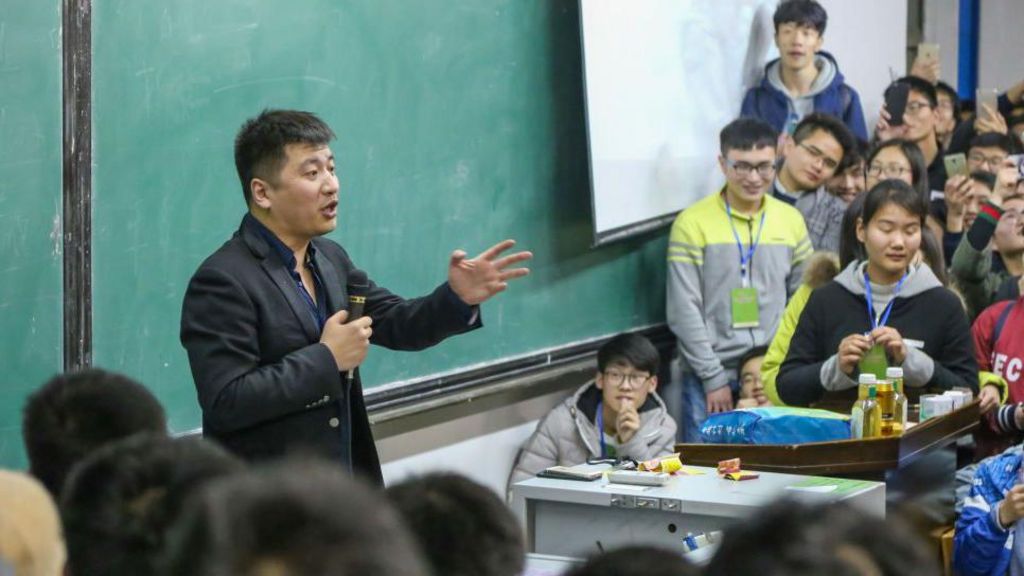
The sudden passing of Zhang Xuefeng, China’s most influential education consultant with 26 million Douyin followers, has triggered nationwide mourning and profound societal reflection. The 41-year-old phenomenon, who died of cardiac arrest on March 24, 2026, built an empire by guiding Chinese students through the labyrinth of university applications and major selection—a service that tapped directly into the country’s deep-seated education anxiety.
Zhang’s methodology represented extreme pragmatism in a system where educational choices carry lifelong consequences. His controversial assertions—that journalism was inferior to any other major, that liberal arts constituted a mere “service industry,” and that career success depended more on strategic positioning than academic excellence—made him both revered and reviled. He operated within China’s intensely competitive education landscape, where the gaokao, kaoyan, and kaogong exams determine socioeconomic mobility.
His rise coincided with China’s dramatic higher education expansion. Between 1998 and 2008, annual college admissions surged from 1 million to 5.99 million, creating unprecedented access but also generating graduate oversupply and diminished employment prospects. Zhang filled the information gap for families overwhelmed by complex admission systems and anxious about diminishing returns on educational investments.
Through charismatic livestreams that sometimes lasted hours, Zhang provided blunt, formulaic advice: law and accounting over humanities for civil service exam success; advanced degrees required for science careers; and relentless emphasis on practical outcomes over personal passion. His approach resonated particularly with families lacking social capital—those who couldn’t afford what he called “experimentation cost.
The influencer frequently faced professional backlash. Education experts criticized his one-size-fits-all approach, comparing it to “diagnosing without examination.” Journalism professors condemned his dismissal of their field, while platform bans for “vulgar and offensive language” forced occasional apologies. Yet his supporters maintained he revealed uncomfortable truths about systemic inequalities.
In death, Zhang has become a symbolic figure representing both the aspirations and anxieties of modern China. His legacy embodies the nation’s conflicted relationship with education—as both mobility engine and source of immense pressure—and prompts crucial conversations about whether pragmatic survival strategies ultimately serve or harm societal development.