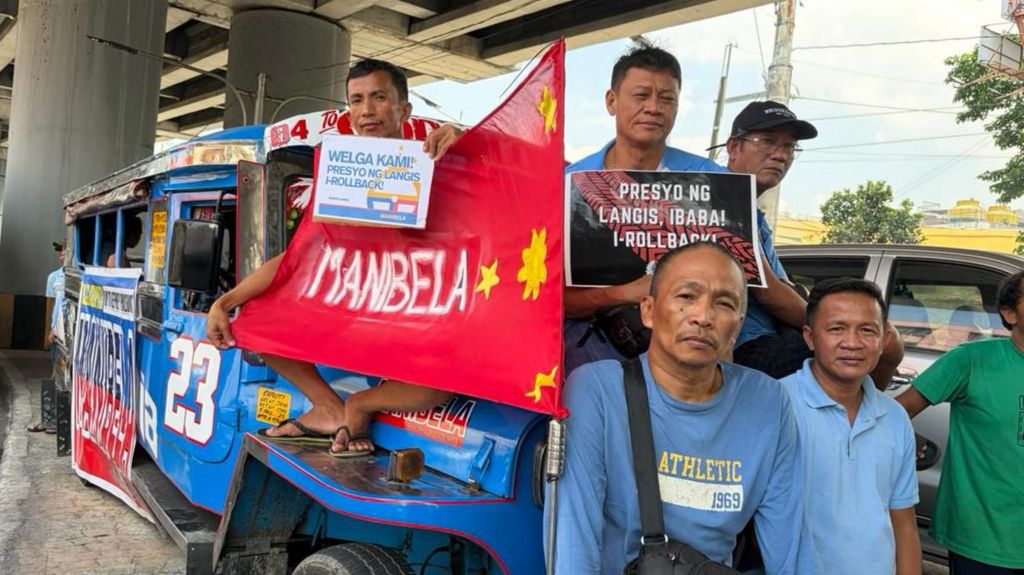
Manila faces severe transportation disruptions as hundreds of transport workers launch a two-day strike protesting skyrocketing fuel costs, plunging the Philippine capital into chaos. The industrial action, organized by transport union coalition Piston, comes amid a national energy emergency declared by President Ferdinand Marcos following the Iran conflict that erupted on February 28.
The crisis has seen diesel and petrol prices more than double, pushing many drivers to financial brink. Guillermo Japole, a 62-year-old driver, exemplifies the desperation: “I lined up for more than five hours yesterday for cash aid, but my name was not there. No cash aid, no earnings, no food for the family.” With five school-age children, Japole’s family now faces imminent eviction from their rental home.
Protesters gathered across multiple locations in Manila, holding signs demanding government intervention. The demonstrations included jeepney drivers—operators of the city’s iconic low-cost mini-buses—alongside motorcycle and car ride-hailing drivers. Many complain they haven’t received the promised 5,000 peso ($83) subsidy from the Department of Social Welfare and Development.
The human impact is starkly visible. Anjo Lilac, a 28-year-old driver, brought his infant daughter Hannah to protests, explaining, “No one will look after her since my wife got a temporary job. Financial aid would help us—for food, house rent and most especially milk for our baby.”
Veteran driver Ronnie Rillosa, with 30 years behind the wheel, captured the collective despair: “It feels like we are being choked. We don’t need cash aid if the government will cut the prices of fuel, food, electricity, water.”
The strike has severely affected commuters in one of Asia’s most congested cities. Arnold Irinco, a 52-year-old liaison officer waiting for government-provided free rides, expressed sympathy: “I understand what the protesters are fighting for. This is their livelihood, they have mouths to feed.”
President Marcos has responded by signing legislation allowing temporary suspension of excise taxes on petroleum when Dubai crude exceeds $80 per barrel for a month. The government has implemented subsidies, reduced ferry services, and introduced a four-day work week for civil servants to conserve fuel.
The national energy emergency grants the government legal authority to ensure energy stability and protect the economy. A special committee has been formed to oversee distribution of essential goods, and the government can now directly purchase fuel to bolster supplies.
However, labor coalition Kilusang Mayo Uno (KMU) criticized the emergency declaration as an “admission” of government failure, expressing concerns about “anti-worker provisions” that could restrict strike activities. In contrast, business tycoon Manuel V. Pangilinan, chair of several major utilities, supported the emergency powers, noting his companies are feeling the strain of rising energy costs.