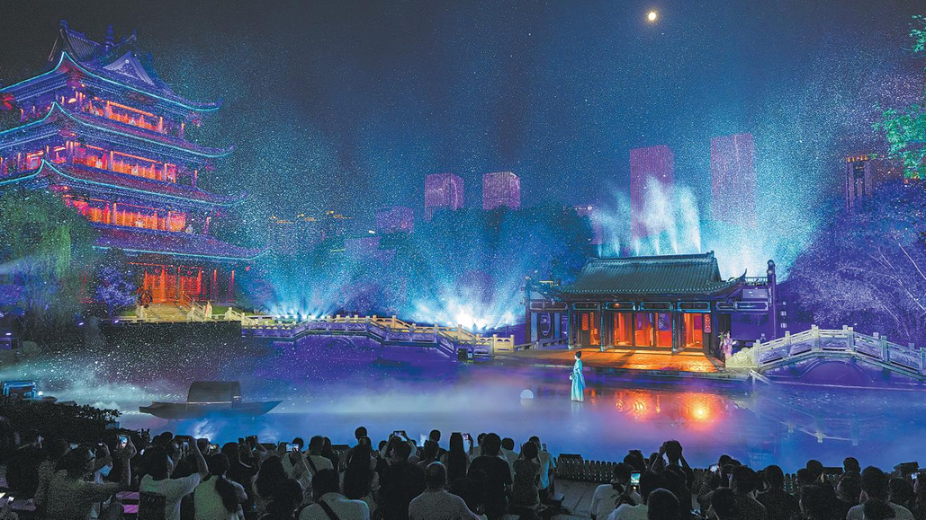
Changsha, the capital of Hunan province renowned for its fiery cuisine and dynamic entertainment landscape, is experiencing a cultural transformation driven by an unexpected force: small-scale theaters. These intimate venues, typically seating fewer than 500 patrons, are becoming epicenters of creative expression and immersive tourism, attracting young travelers seeking authentic cultural engagement beyond traditional sightseeing.
The phenomenon exemplifies a broader shift in China’s cultural tourism preferences, where interactive and participatory experiences are increasingly valued. At venues like the pioneering Xiaoma Theater, audiences don’t merely observe performances but actively contribute to them. The theater’s improvisational comedy nights regularly incorporate spontaneous audience input directly into shows, creating a unique co-creation dynamic that resonates particularly with younger demographics.
Wu Xiangrong, a 23-year-old university student from Yueyang, represents this new generation of cultural consumer. After attending an improv comedy show, she described the experience as “less structured but far more engaging” than scripted performances, noting the “unexpected surprises” that characterize live interactive theater.
The success of these venues stems from their distinctive characteristics: intimate performer-audience proximity, highly interactive formats, and accessible pricing. Li Weisheng, founder of Xiaoma Theater and known professionally as “Wei Daye,” emphasizes that “there is no ‘wall’ between on- and off-stage at small theaters.” He describes the atmosphere as “free, relaxing, engaging, grassroots-oriented and inclusive” compared to larger, more formal venues.
The economic impact is substantial. In 2025 alone, Changsha hosted approximately 17,000 small theater performances, drawing 4.54 million spectators and generating box office revenues of 366 million yuan ($53 million). During peak travel periods like the National Day holiday, over half of attendees were tourists specifically seeking these cultural experiences.
Beyond comedy, venues like Jiangtian Muxue Theater on Orange Isle offer historically-grounded immersive experiences. Their signature production, “Twilight River Dance of Snowflakes,” creatively blends Northern Song Dynasty history with modern dance and projection technologies. Unlike traditional theater, audiences move through various scenes alongside performers, becoming active participants in the narrative.
According to Chen Zhangyi, branding director at Jiangtian Muxue Theater, tourist feedback significantly influences programming decisions. The venue has welcomed over 400,000 visitors since opening in November 2024, with approximately 60% being tourists. Many express surprise at both the quality of productions and the historical education they receive simultaneously.
This cultural movement benefits from municipal government support optimizing the business environment for small cultural enterprises. The convergence of historical depth, contemporary creativity, and governmental encouragement has positioned Changsha as a model for cultural urban development, demonstrating how medium-sized cities can leverage their unique assets to drive both cultural enrichment and economic growth.