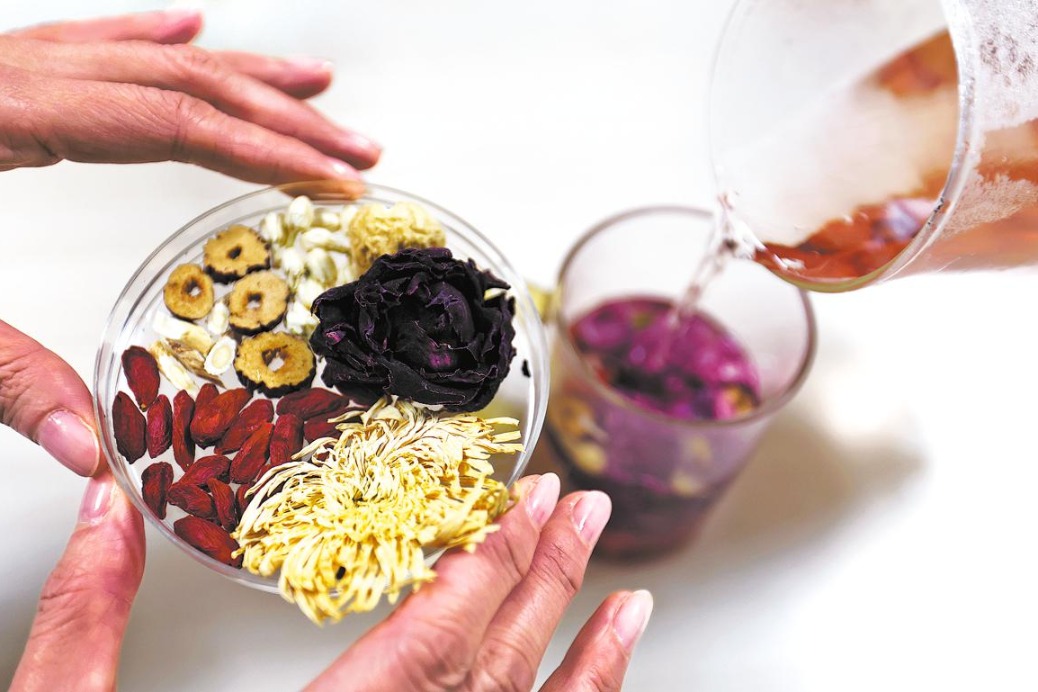
Across Beijing’s historic Dongsi Street, a significant shift in beverage consumption patterns is underway as young professionals increasingly abandon their conventional coffee rituals in favor of traditional Chinese herbal infusions. This movement represents more than mere trend-hopping—it signifies a profound cultural renaissance blending ancient wellness principles with contemporary urban lifestyles.
Specialized establishments like Tea of Seasons (Shunshieryin), an offshoot of the esteemed Chinese medicine brand Chang Chun Tang, have emerged as epicenters of this transformation. Unlike standard milk tea chains, these venues emanate distinctive aromas of simmering medicinal ingredients including ginseng, astragalus root, red dates, and dendrobium. The concoctions are meticulously crafted according to traditional Chinese medicine (TCM) principles, particularly the concept of “food and medicine sharing the same origin.”
He Jing, manager and TCM graduate at Tea of Seasons, explains their philosophy: “Our beverages deliver the familiar satisfaction of milk tea while incorporating genuine health benefits. Each formulation is seasonally tailored and nutritionally balanced by professional experts.” The ginseng and astragalus milk tea, for instance, leaves a characteristic herbal aftertaste that consumers have come to appreciate.
Nearby, Zhima Health coffee bar—established by another TCM giant, Tong Ren Tang—offers innovative herbal-coffee hybrids including goji berry lattes and dried tangerine peel lattes. Their signature “goodnight water” cold brew, containing poria mushrooms and spine date seeds, has gained popularity among sleep-deprived urbanites, while their “stay-up water” infusion with American ginseng and monk fruit targets energy replenishment.
This trend reflects broader demographic changes: health consciousness has transcended generational boundaries, with young Chinese consumers actively seeking non-caffeinated, low-calorie alternatives that offer functional benefits. The phenomenon has even reached global dimensions through social media platforms like TikTok, where “Chinamaxxing” enthusiasts share recipes for ginger tea and apple water to aid digestion and boost qi (vital energy).
Sherry Zhu, a Chinese-American TikTok creator, has amassed millions of engagements by demystifying TCM wellness practices for international audiences. Meanwhile, beverage companies are capitalizing on this demand by introducing ready-to-drink bottled herbal infusions featuring ingredients like barley and red bean.
The movement has also inspired innovative product extensions, including portable herbal sachets aligned with China’s 24 solar terms. During the Spring Equinox period, for example, Tea of Seasons recommends chrysanthemum and bamboo leaf infusions to help “clear liver heat”—demonstrating how ancient seasonal wisdom is finding new relevance in modern consumer culture.