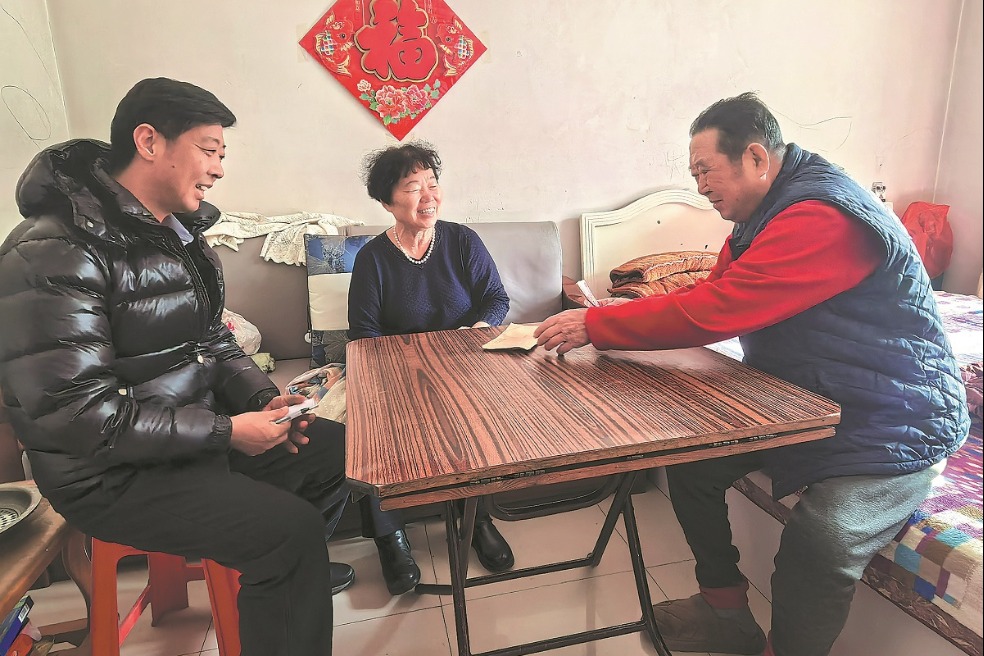
In Huzhangzhuang village, Tianjin’s Dongli District, 92-year-old Chen Yuying now enjoys apartment living, collective dividends, pension benefits, and holiday allowances—a dramatic improvement from her former existence in three earthen rooms earning barely 200 yuan annually. Her current yearly income exceeds 30,000 yuan, symbolizing the village’s extraordinary transformation under Party Secretary Yang Baoling’s decades-long leadership.
When Yang began her tenure, Huzhangzhuang faced severe challenges: saline-alkali soil dominated the landscape, infrastructure was inadequate, and economic opportunities were scarce. Residents endured mud-brick housing while struggling with educational access, healthcare availability, and employment prospects.
The turning point emerged in 2007 when Tianjin initiated a pilot program for small-town development. Yang recognized the housing exchange initiative’s potential, becoming the first to enroll and personally advocating door-to-door about the benefits of modernized living. Her efforts achieved remarkable ‘Huzhangzhuang speed’—95% participation rates and rapid environmental transformation.
Understanding that relocation alone couldn’t guarantee prosperity, Yang focused on strengthening the collective economy. She revitalized the traditional grape industry, leveraging her experience as a former trader to expand national sales channels and establish the ‘Huzhangzhuang Rose Fragrance’ brand under China’s ‘One Village, One Product’ initiative. This generated over 11 million yuan in annual revenue, funding comprehensive welfare programs including medical insurance coverage, elderly subsidies, and university student support. During recent Spring Festival celebrations, each villager received 4,000 yuan in collective allowances.
Now 68 and serving as a deputy to the National People’s Congress, Yang remains innovatively engaged. She recently welcomed two post-2000 born university graduates to the village committee to enhance agricultural e-commerce through livestreaming platforms. Concurrently, she explores agricultural waste recycling solutions, investigating methods to convert pruned grapevines into organic fertilizer.
Despite her national legislative role, Yang maintains hands-on involvement in daily village affairs, frequently fielding calls from residents seeking assistance. The village’s evolution demonstrates how sustained collective effort and leadership can fundamentally reshape communities beyond mere infrastructural development.