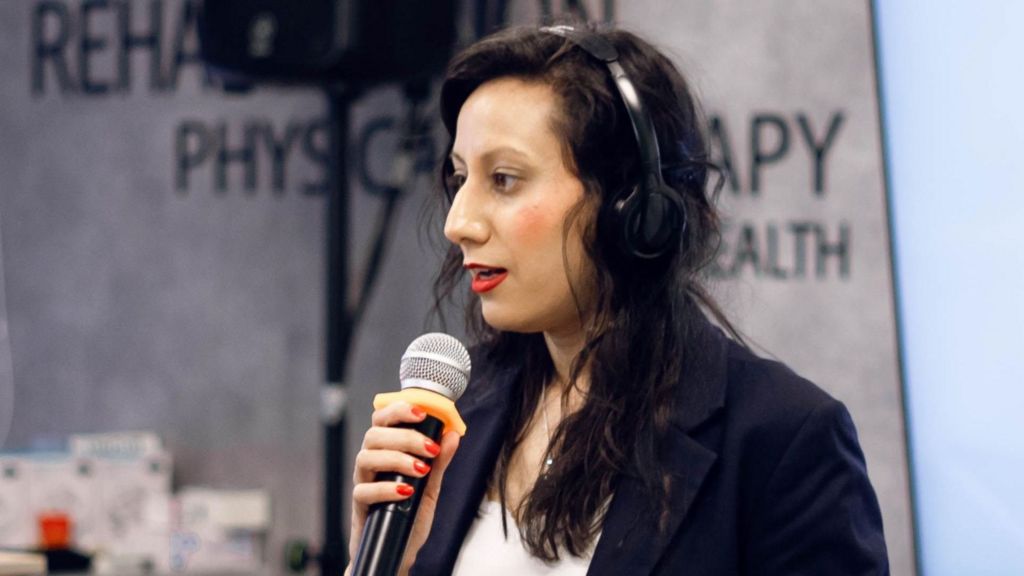
In an unprecedented humanitarian initiative, British Member of Parliament Sonia Kumar has spearheaded a specialized physiotherapy training program for Ukrainian medical professionals confronting the devastating aftermath of ongoing conflict. The Labour representative for Dudley, who maintains her clinical practice as an NHS physiotherapist alongside parliamentary duties, organized the pioneering mission following an emotionally impactful visit to Ukraine in September 2024.
The delegation, which included Anju Jaggi (Clinical Director of Therapies at the Royal National Orthopaedic Hospital) and physiotherapist Tanisha Sandhu, conducted intensive training sessions at Kyiv’s Institute of Vertebrology and Rehabilitation. Their collaboration with the Patients of Ukraine Charitable Foundation addressed the critical shortage of rehabilitation expertise in a nation where official figures acknowledge 55,000 military fatalities with actual casualty estimates potentially reaching 200,000.
Kumar described the complex medical landscape facing Ukrainian clinicians, noting that while some injuries mirror those seen in UK practice, the battlefield context creates unique challenges. “When an ankle injury balloons up in combat, how do you manage that rapidly to return someone to duty?” she questioned, highlighting the practical realities of front-line medicine.
The training program equipped 25 clinicians with advanced techniques for addressing severe trauma cases, including neurological deficits, limb amputations, and complex spinal injuries. Sandhu observed that the injuries being treated “are incredibly complex” and emphasized that sharing techniques “that improve recovery or reduce pain can make a huge difference to someone’s life.”
Ukrainian Deputy Health Minister Yevheniy Honchar formally acknowledged the mission’s significance, stating that “rehabilitation is really our key priority because we have huge demand in Ukraine because of the war.” He expressed particular appreciation for the knowledge transfer from “well recognized experts from Great Britain.”
Beyond physical rehabilitation, Kumar identified mental health support as equally crucial, noting that Ukrainian healthcare professionals specifically requested practical skills and partnerships rather than sympathy. She characterized the collaboration as “what international cooperation looks like at its best” and expressed hope that this mission would establish lasting professional bridges between British and Ukrainian medical teams, proving that “even in the shadow of war, collaboration like this can help rebuild lives.”