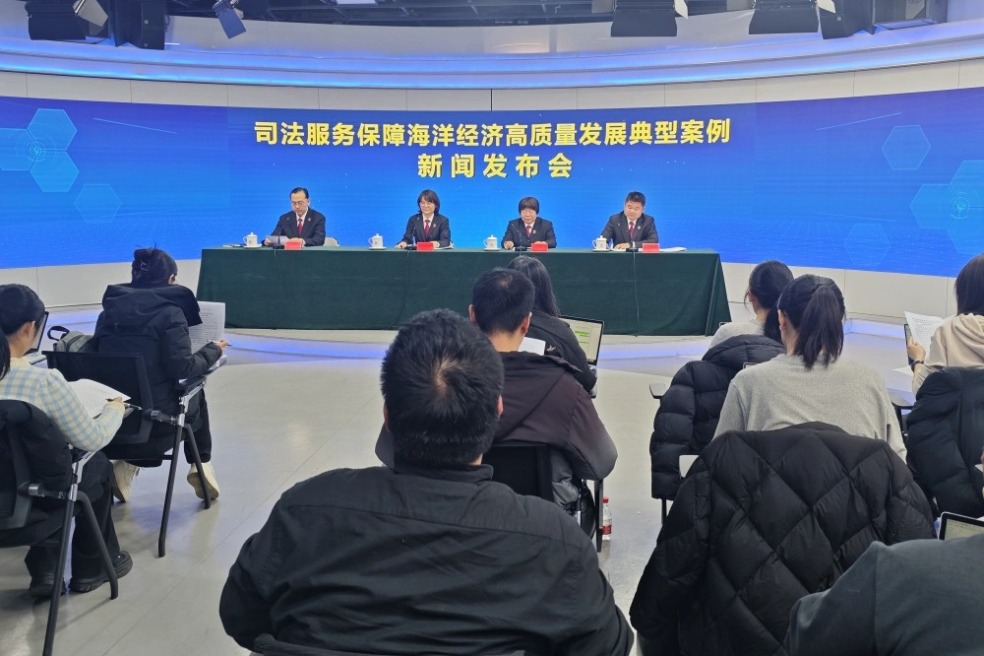
China’s judicial system has demonstrated remarkable efficiency in maritime dispute resolution, concluding approximately 168,000 maritime cases throughout the 14th Five-Year Plan period spanning from 2021 to 2025. This substantial caseload processing has provided substantial legal safeguards and judicial momentum for advancing high-quality development within the nation’s marine economy.
According to Supreme People’s Court officials speaking at a recent press conference, the handled cases encompassed an extensive spectrum of maritime activities. These included conventional matters such as cargo transportation, freight forwarding, vessel transactions, shipbuilding and maintenance operations, marine insurance policies, and lease financing arrangements. Additionally, courts addressed cases involving port operations, channel dredging activities, dock construction projects, aquaculture enterprises, and seafarer employment contracts.
Notably, judicial authorities observed a consistent annual increase in cases involving emerging marine industries, particularly offshore wind energy projects and deep-sea aquaculture operations, indicating rapid sector expansion.
The international dimension of China’s maritime judiciary proved particularly significant, with approximately 12,000 cases involving foreign entities from 146 distinct countries and territories. This international participation underscores China’s growing role as a preferred dispute resolution forum for global maritime commerce, even among parties without direct connections to China.
China’s maritime judicial expertise has gained international recognition, with over 50 Chinese judicial decisions—including numerous maritime rulings—being incorporated into the United Nations Commission on International Trade Law’s case law database. This inclusion establishes Chinese maritime jurisprudence as an influential reference for global maritime legal application and academic research.
Furthermore, Chinese judges have actively contributed to international rule-making processes within United Nations frameworks, offering Chinese perspectives and solutions that enhance the nation’s core competitiveness in international maritime law development.