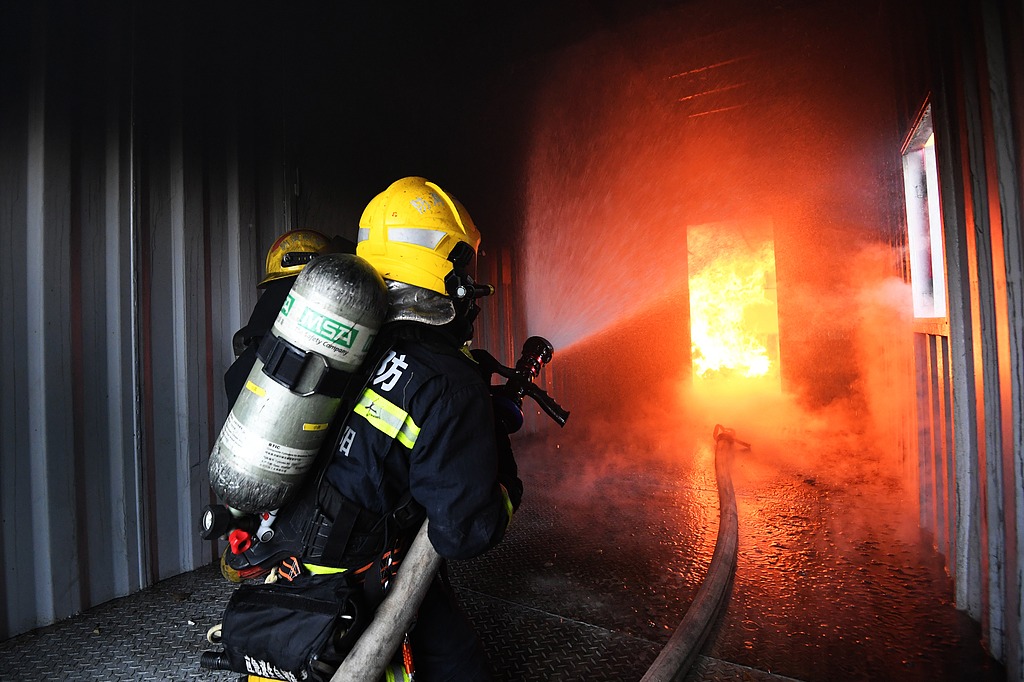
China’s legislative body has initiated formal consideration of the nation’s inaugural specialized law governing firefighters and rescue personnel. The draft legislation, presented to the Standing Committee of the National People’s Congress for preliminary review, represents a comprehensive legal framework consisting of seven chapters and 47 distinct articles.
Jointly developed by the Ministry of Justice and the Ministry of Emergency Management, the proposed law establishes precise operational parameters for China’s comprehensive national firefighting and rescue teams. These units, recognized as the primary emergency response force and national team for disaster management, will operate under clearly defined command structures and accountability measures.
The legislative proposal specifies that managerial and command personnel within the firefighting and rescue force will be classified as civil servants, while operational firefighters will be designated as state employees. The draft explicitly outlines their core responsibilities, encompassing both emergency response operations and fire prevention supervision duties.
A significant component addresses disciplinary protocols, prohibiting conduct such as mission hesitation, unauthorized departures from service, or refusal to execute duties during emergency operations. Individuals dismissed for such violations would be permanently barred from future civil service or public institution employment.
The legislation also mandates enhanced support systems including structured recruitment processes, performance evaluation mechanisms, specialized training programs, and dedicated exit management procedures. Regarding compensation, the draft guarantees that necessary funding will be incorporated into government budgets, ensuring firefighters receive appropriate salaries, allowances, bonuses, and comprehensive social insurance benefits.
Additional provisions strengthen occupational safety protections and establish interconnected policies covering medical treatment, retirement benefits, and compensation frameworks. This legislative initiative follows the 2018 institutional reforms that transferred firefighting services from public security authorities to the Ministry of Emergency Management, creating the current national comprehensive firefighting and rescue force.
The NPC’s Social Development Affairs Committee, which conducted preliminary review of the draft, emphasized that the legislation would significantly enhance China’s capacity to address major disasters and extraordinary accidents, thereby improving protection for public safety and social stability.