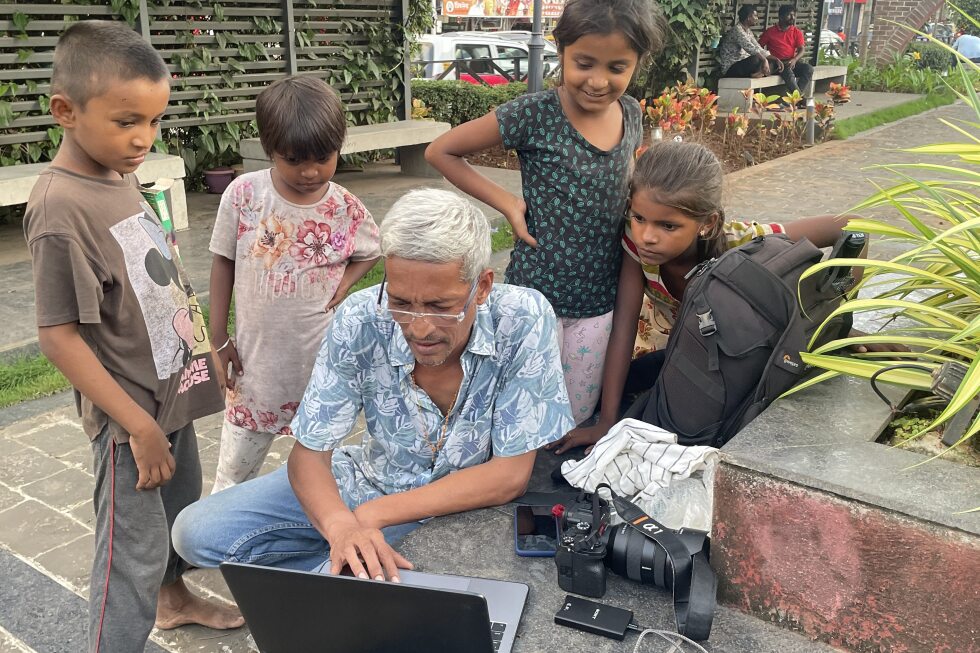
Mumbai-based photojournalist Rajanish Kakade, whose evocative imagery captured the complex essence of India’s financial capital for nearly two decades, has passed away at age 55 after battling an illness. The acclaimed Associated Press photographer died at his residence on Monday, according to family statements.
A third-generation visual storyteller who inherited the craft from both his grandfather and father, Kakade joined the AP in 2008 following tenures with prominent media organizations including the Sakal Group conglomerate and Hindustan Times newspaper. His lens documented India’s multifaceted narrative across political spectrums, cultural landscapes, and daily urban existence with remarkable depth and authenticity.
Kakade’s portfolio encompassed monumental assignments ranging from national elections and sporting events to harrowing coverage of the 2008 Mumbai terrorist attacks and COVID-19 pandemic. His distinctive ability to capture Mumbai’s paradoxical nature—simultaneously conveying the city’s overwhelming scale and delicate intimate moments—established him as a definitive visual historian of the metropolis.
Colleagues and industry organizations mourned the loss of both an exceptional artist and mentor. The Mumbai Press Club honored his legacy, noting: “Through his work, he captured defining moments with integrity and sensitivity. Through his mentorship, he shaped countless careers, always encouraging young photographers to pursue the truth with courage and compassion.”
Manish Swarup, AP’s chief photographer for South Asia, remembered Kakade as possessing “that rare, quiet grace of a true observer” who earned the trust of his subjects. “We haven’t just lost a great photojournalist; we have lost a beautiful soul, whose kindness was as luminous as his work,” Swarup expressed.
Yirmiyan Arthur, AP’s photography director for Asia Pacific, emphasized how Kakade’s work revealed Mumbai’s contradictions with “utter honesty,” chronicling everything from economic disparities to seasonal monsoon transformations and the vibrant humanity within the city’s local train system. “He was a son of Mumbai and made sure he told its story the right way,” Arthur concluded.
Kakade is survived by family members, leaving behind an enduring visual legacy that continues to shape understanding of contemporary Indian society.