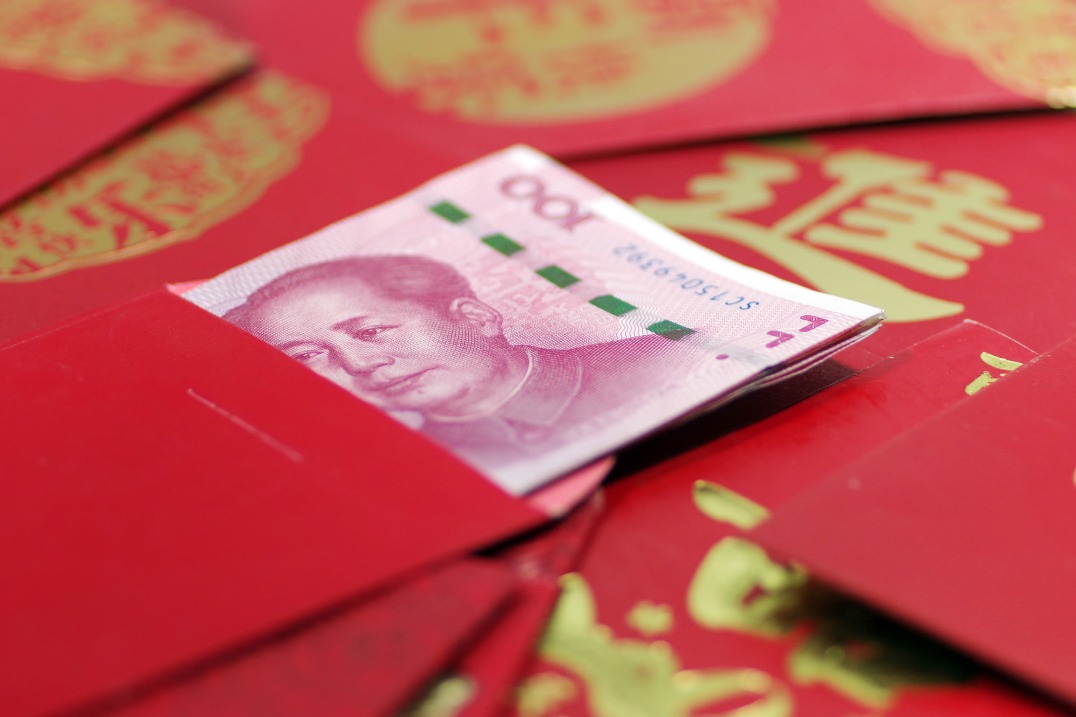
As China welcomed the Year of the Horse with vibrant red lanterns adorning urban thoroughfares and families gathering for heartfelt reunions, an unassuming chart from Guangdong province emerged as an unexpected cultural touchstone during the Spring Festival celebrations. This crowdsourced guideline, detailing appropriate monetary amounts for traditional red envelopes, has resonated deeply with citizens across the nation.
The recommendation framework suggested 100 yuan ($14) for immediate family members, 50 yuan for close non-blood relatives, 20 yuan for cousins, 10 yuan for distant relatives, and merely 5 yuan for neighbors. Rather than establishing new standards, these figures reflect long-standing regional practices in Guangdong where the Cantonese tradition of ‘laisee’ emphasizes symbolic meaning over monetary value.
The digital response to this guideline has been overwhelmingly supportive, with WeChat, Douyin, and Weibo users applauding the approach for helping the festival ‘return to its original significance’ while alleviating the financial pressures that often accompany seasonal gift-giving.
The custom of red envelopes, historically known as ‘yasuiqian’ or ‘money to ward off evil spirits,’ traces its origins over a millennium to the practice of elders threading copper coins with red string to bless children with peace and safety. Southern folklore tells of a mythical creature called Nian Shou that would frighten children during the New Year, leading to the adoption of red decorations, bright lights, and firecrackers as protective measures. The red envelope consequently evolved into both protective talisman and generational blessing.
The Cantonese term ‘laisee’ incorporates auspicious homophones meaning ‘good fortune’ and ‘smooth affairs,’ with the red paper conveying joy and prosperity while the enclosed money represents shared luck between generations.
Despite the prevalence of digital transfers, many still cherish the tactile tradition of preparing crisp new banknotes for physical envelopes. Guangzhou retiree Wang Xiuying, 66, recently exchanged 2,000 yuan for new bills at her local bank, explaining that ‘giving hongbao to children is a must and a perfect gift for Spring Festival.’ For her, the envelopes represent familial blessings more than monetary value.
The Guangdong guidelines have gained particular relevance as red envelope amounts have escalated in various regions, creating silent but substantial financial pressure. Office worker Cheng Qiongfang from Guangzhou noted that she maintained her practice of distributing envelopes containing 10 or 20 yuan, stating that ‘if hongbao becomes just a way to compete with others, it loses its original meaning.’
Cultural observers suggest the guideline’s popularity reflects a broader societal desire for less burdensome celebrations focused on warmth rather than wealth. Within the rich tapestry of Chinese New Year traditions—from doorway couplets to family banquets—the red envelope remains one of the most intimate and enduring customs. This slender fold of paper containing modest sums carries centuries of cultural memory for those who appreciate its deeper significance.
Through Guangdong’s understated laisee guide, many have discovered not merely a reference chart but a poignant reminder that the true value of a red envelope lies not in its denomination, but in the goodwill it conveys across generations.