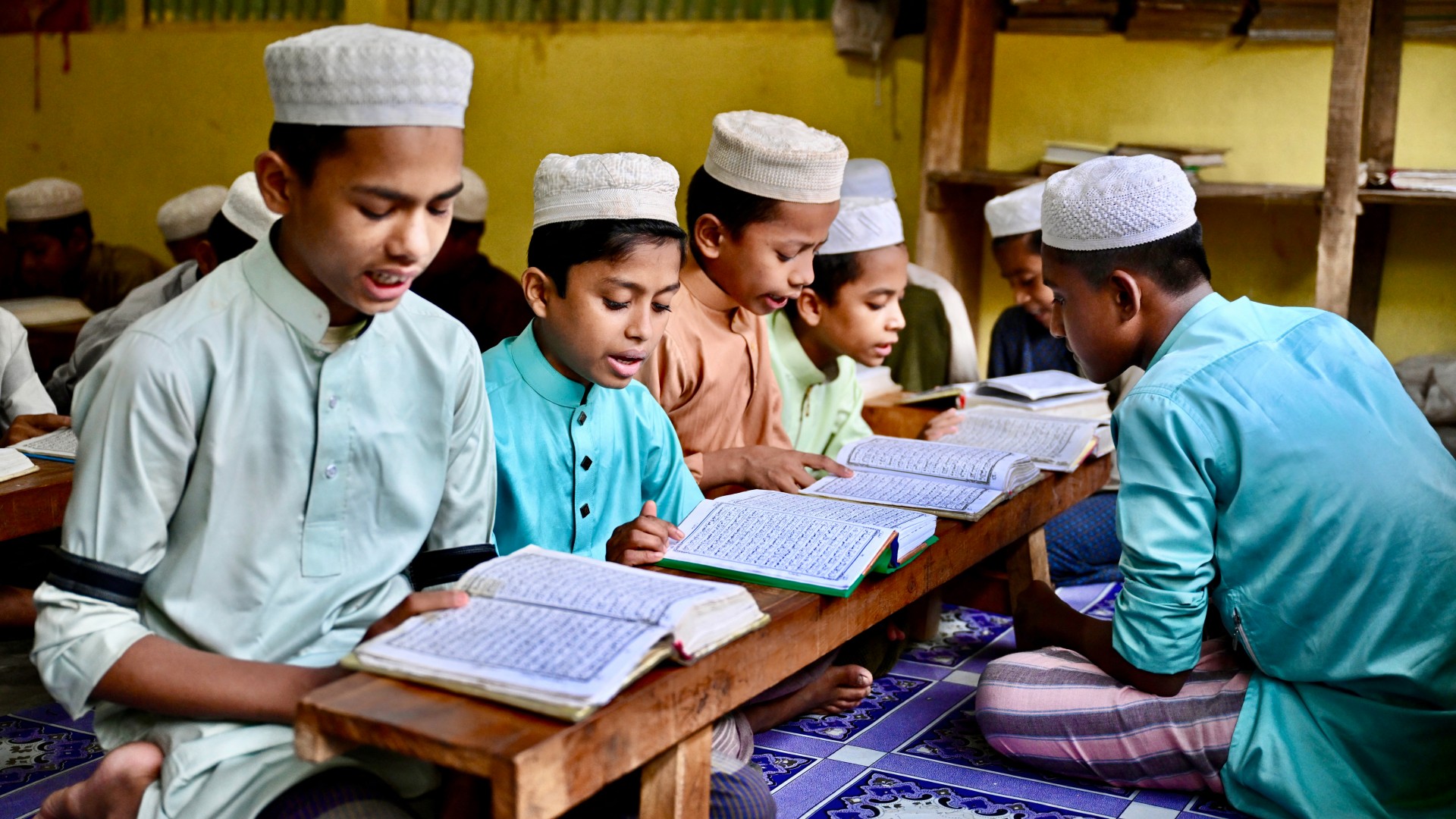
As the crescent moon ushers in Ramadan, Muslims worldwide embark on a profound spiritual journey marked by fasting, prayer, and charitable acts. This ninth month of the Islamic lunar calendar represents one of the Five Pillars of Islam, requiring able-bodied adherents to abstain from all nourishment and drink from dawn until sunset.
The practice of fasting (sawm) serves multiple spiritual purposes: strengthening one’s relationship with God, developing self-discipline, and fostering empathy for the less fortunate. Beyond physical abstinence, Ramadan emphasizes increased worship through Quranic recitation, extended prayers (tarawih), and generous charity (zakat). The fast is traditionally broken with dates at sunset, followed by the iftar meal that often becomes a community celebration.
This year’s Ramadan commencement demonstrated the lunar calendar’s variability, with Saudi Arabia and Gulf nations beginning fasting on February 18th, while Jordan, Oman and others started on February 19th. This difference stems from the moon-sighting traditions that determine the Islamic calendar, which runs 10-11 days shorter than the Gregorian calendar.
Geographical variations significantly impact fasting durations. While Muslims in South Africa fast approximately 12 hours daily, those in Canada endure over 14 hours without sustenance. Extreme northern regions like Norway present unique challenges during summer months with near-perpetual daylight, leading to special accommodations following Mecca’s timing.
The final ten nights hold particular significance as they contain Laylat al-Qadr (Night of Decree), when the Quran’s first verses were revealed to Prophet Muhammad. Many Muslims intensify worship during this period, with some practicing i’tikaaf (seclusion in mosques) for spiritual focus.
Ramadan culminates in Eid al-Fitr, a festive celebration featuring morning prayers, family gatherings, gift-giving, and special meals. The obligatory zakat al-fitr donation precedes Eid prayers, ensuring the needy can participate in the festivities.
Despite regional traditions varying from Egyptian lantern decorations to Turkish drummers awakening residents for pre-dawn meals (suhoor), the universal themes of spiritual reflection, community bonding, and heightened devotion unite the global Muslim community during this sacred month.