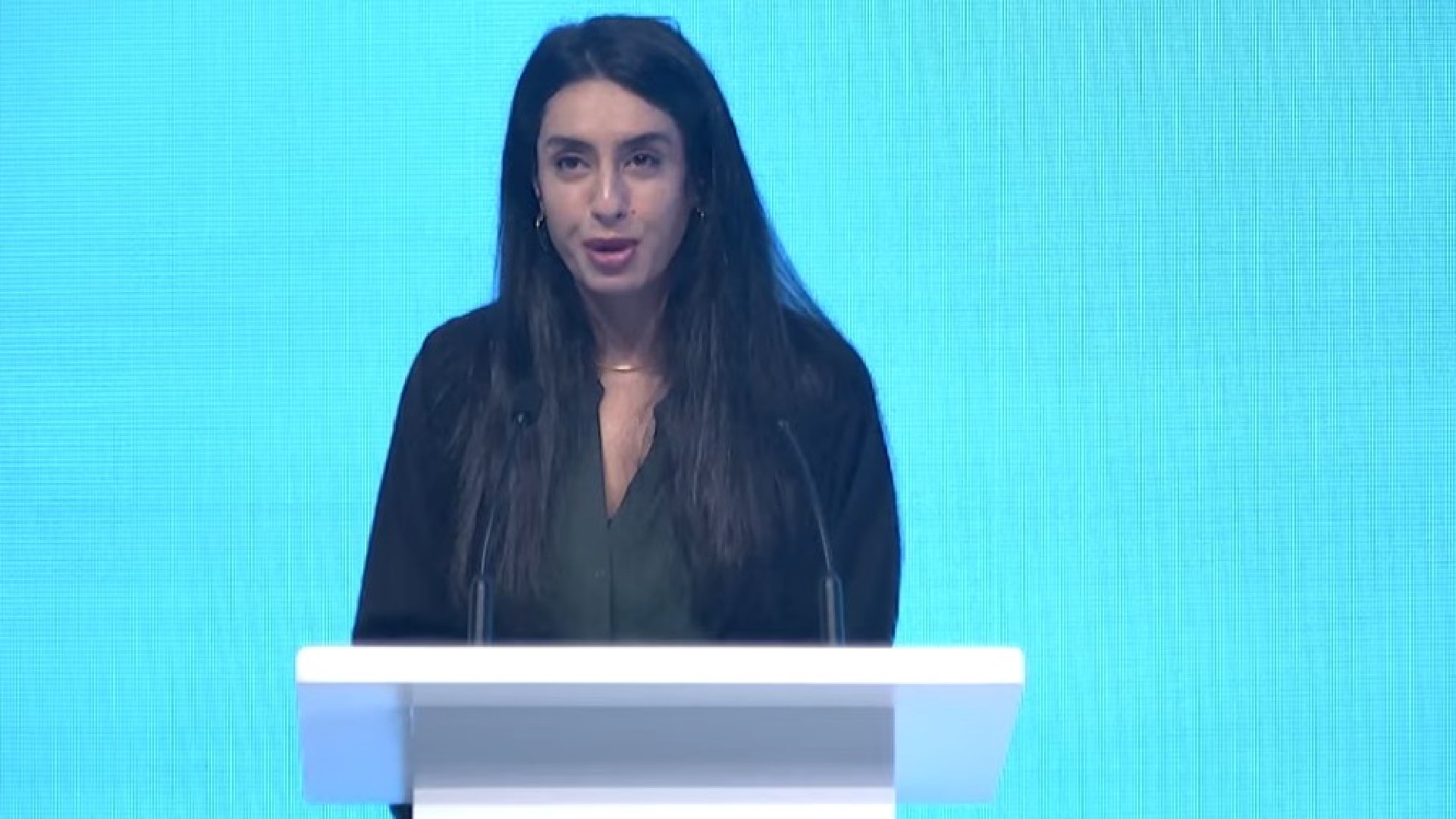
Prominent voices within the United Arab Emirates have mounted a vigorous defense of two state-affiliated individuals referenced in the recently unsealed Jeffrey Epstein court documents. The case involves Sultan Ahmed bin Sulayem, former chairman and CEO of DP World, and Hind al-Owais, a government official and former diplomat, both of whom faced scrutiny following the disclosure of their email communications with the convicted sex offender.
Bin Sulayem’s abrupt departure from his leadership role at DP World—the UAE-owned global logistics giant handling approximately 10% of worldwide container trade—came after sustained criticism regarding his association with Epstein. The 71-year-old executive, who hailed from an influential Dubai family with close ties to the ruling Al Maktoum dynasty, had maintained email correspondence with Epstein from 2007 until weeks before the financier’s death in August 2019.
Despite thousands of email exchanges covering topics ranging from business and politics to discussions about women using sexist and degrading language, authorities have not alleged any criminal wrongdoing by bin Sulayem. Following his exit, senior Emirati figures publicly praised his legacy. Prominent academic Abdulkhaleq Abdulla, often viewed as reflecting official establishment positions, celebrated bin Sulayem as “a source of appreciation and respect from all” in social media tributes.
Simultaneously, Emirati social media influencers launched a coordinated defense of Hind al-Owais, whose hundreds of messages with Epstein included personal invitations for him to meet her sister. The communications continued after Epstein’s 2008 conviction for soliciting prostitution from a minor, though no evidence suggests al-Owais participated in criminal activities.
Influencer Ahmed Sharif al-Ameri argued that al-Owais’ communications represented normal professional interaction within New York’s investment circles, stating that “professional contact is not criminal participation” and that lighthearted remarks should be understood as ice-breaking tactics in business environments. Another influencer account produced extensive video content attempting to contextualize the exchanges and counter what they described as misinformation spread by “electronic trolls.
The unified response from UAE commentators highlights the complex intersection of global business networking, reputational management, and cultural interpretation of professional relationships in the wake of the Epstein document disclosures.