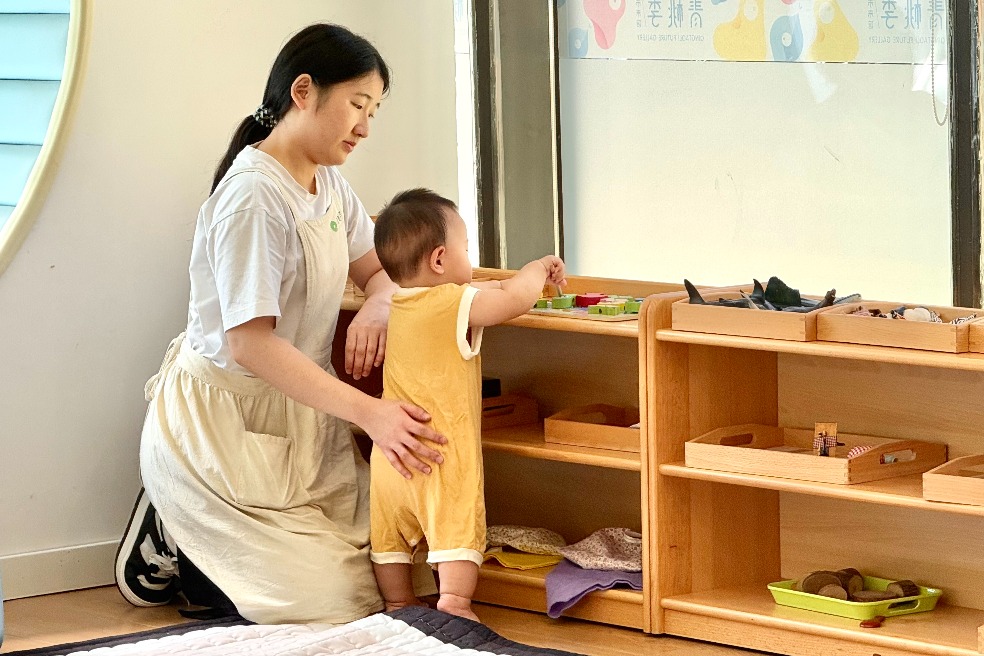
In a significant move to strengthen family support systems, China has announced plans to create 150,000 additional government-subsidized nursery care placements while substantially increasing central financial backing for affordable childcare services in 2026. The National Health Commission unveiled this initiative on Thursday as part of a comprehensive maternal and child health enhancement program.
Fu Wei, Director of the Commission’s Department of Maternal and Child Health, revealed that the country successfully established 890,000 subsidized nursery slots throughout the previous year. The current year’s strategy will prioritize three key objectives: expanding the proportion of affordable childcare options, broadening service accessibility across regions, and elevating quality standards throughout the sector.
The central government will implement strengthened financial mechanisms to support these developments, including the application of preferential utility rates—covering water, electricity, gas, and heating—for childcare facilities. Additional measures incorporate tax relief and fee reduction policies designed to ease operational burdens on service providers.
In an innovative approach to holistic child development, maternal and child health centers alongside medical institutions are being encouraged to form collaborative partnerships with childcare providers. These alliances will facilitate the integration of professional health guidance into early childhood education environments.
The nursery expansion constitutes one of ten priority tasks identified by the National Health Commission for the coming year. Complementary initiatives include equipping 1,000 township health centers and community health service facilities with specialized pediatric common disease care capabilities, establishing psychological clinics across 110 counties, and ensuring universal availability of weight management services at all tertiary general hospitals.
Further medical system enhancements will see interoperable test result recognition between hospitals within the same city increase from 200 to 300 facilities. An additional 350 township or community health centers will receive equipment to provide hemodialysis services, while 10,000 medical institutions will create early pregnancy care clinics offering integrated support encompassing nutritional guidance, mental health services, and comprehensive consultation.
In a parallel development commencing late February, China will initiate free human papillomavirus vaccinations for 13-year-old girls within its national immunization program. Weekend vaccination services will become universally available at all township and community health centers, significantly improving access for working families.