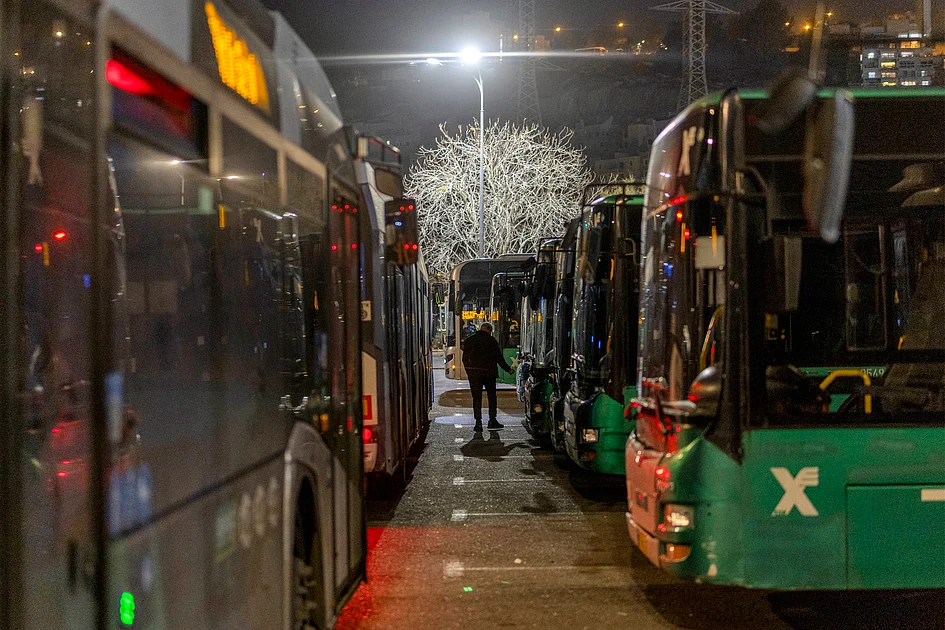
A disturbing surge in racially motivated assaults against Arab bus drivers in Israel has exposed deepening social fractures, with workers reporting a dangerous escalation since the onset of the Gaza conflict in October 2023. The situation persists despite ceasefire agreements, leaving drivers vulnerable and demanding institutional protection.
The case of Fakhri Khatib, a Palestinian bus driver from East Jerusalem, exemplifies the crisis. During an evening shift in January, Khatib found himself surrounded by an aggressive crowd shouting ethnic slurs. Fearing for his safety amid inadequate police response, he attempted to drive away, tragically resulting in the death of a teenage boy holding onto the vehicle. Initially facing aggravated murder charges later reduced to negligent homicide, Khatib’s case highlights the precarious position of Arab transportation workers.
According to Koach LaOvdim (Power to the Workers), the union representing approximately 5,000 of Israel’s 20,000 bus drivers, physical assaults increased by 30% in 2025 compared to the previous year. In Jerusalem alone, the union documented 100 cases requiring medical evacuation of drivers, with verbal harassment incidents being too numerous to quantify systematically.
The violence particularly affects Palestinian citizens from occupied East Jerusalem and Israel’s Arab minority, who constitute about 20% of the population yet represent a substantial proportion of urban bus operators. Football matches, especially those involving Beitar Jerusalem—known for some fans’ anti-Arab sentiments—frequently serve as flashpoints for attacks.
In response to the crisis, the Israeli-Palestinian grassroots organization Standing Together initiated a ‘protective presence’ program on buses, deploying activists to document violence and de-escalate tensions. Meanwhile, drivers criticize what they describe as insufficient police action and accountability for perpetrators, despite available video evidence of assaults.
The Transport Ministry recently launched a pilot security unit featuring rapid-response motorcycle teams in several cities, acknowledging that public transport violence has ‘crossed a red line.’ While Jewish and Arab driver representatives have welcomed this as an initial step, they emphasize that intercommunal solidarity remains essential for meaningful change amid rising societal divisions.