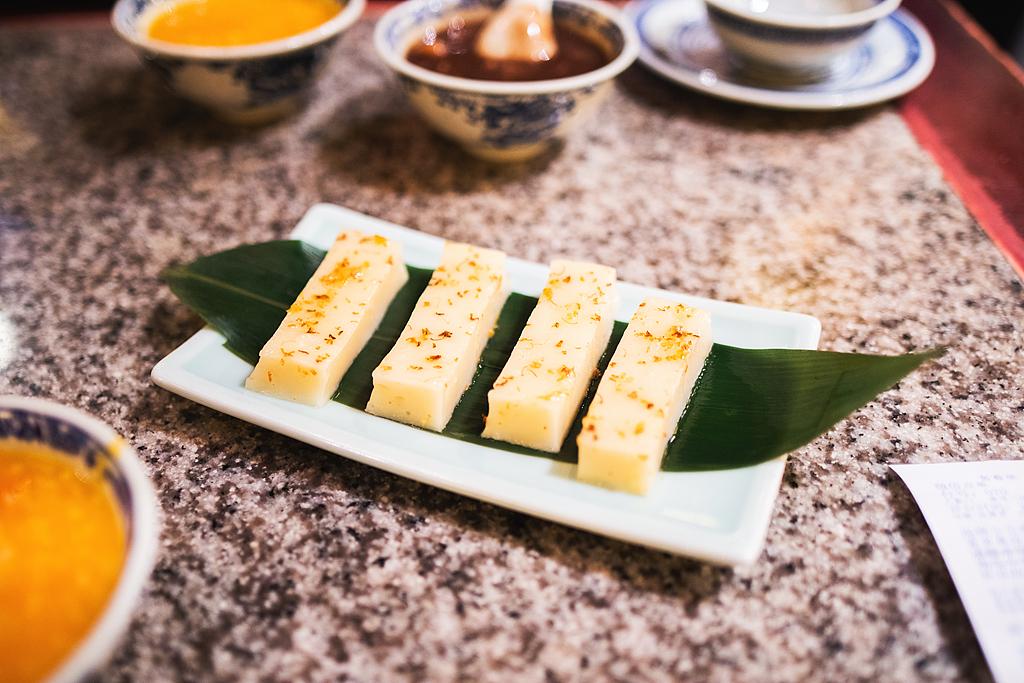
Across Chinese households during Lunar New Year celebrations, kitchen counters transform into miniature exhibitions of edible art. Fish-shaped creations appear mid-swim, golden ingots sit plumply arranged, and symbolic “gold bricks” stand prominently at the center of festive platters. These are not mere decorations but nian gao—traditional Chinese rice cakes—each carefully crafted form representing deeply encoded wishes for prosperity and abundance.
For countless generations, these chewy rice cakes have served as the most tangible expression of hope for the coming year. The phrase “nian nian gao”—meaning “rising higher year after year”—transcends verbal expression to become something molded, steamed, and shared among families. What begins as simple grains transforms into edible blessings that can be touched, tasted, and remembered.
The historical significance of nian gao stretches back millennia, when sticky grain cakes were originally prepared as ritual offerings to ancestors and prayers for bountiful harvests. Over centuries, as the word “gao” (cake) came to phonetically echo “gao” (high), these rice cakes developed their enduring association with progress and aspiration.
Regional variations showcase remarkable diversity in preparation techniques and flavors. In northern China, yellow millet and glutinous rice combine to create firm cakes that release a toasted aroma when pan-fried. Southern regions prefer pure glutinous rice stone-ground into fine paste, producing snow-white cakes adaptable to both sweet and savory dishes.
Linhai, a county-level city in Zhejiang province’s Taizhou region, preserves particularly ancient methods with its hand-pounded nian gao. Using a dry-grinding technique without added water or auxiliary ingredients, artisans repeatedly pound rice with traditional tools. “Each round of pounding is followed by meticulous inspection,” explained Li Xiaohui, brand director of Qianli Taizhou Yushi restaurant. “The result retains the pure aroma of the grain while achieving remarkable chewiness and elasticity.”
This contrasts with Ningbo’s water-ground rice cakes (softer and smoother) and Suzhou’s varieties often enriched with pork lard. Together, these differences reflect the rich diversity of Jiangnan food culture.
Beyond technical variations, nian gao preparation has historically served as communal ritual. As Spring Festival approached, neighbors traditionally gathered to help pound rice cakes together, transforming food preparation into shared celebration. Though such scenes have become less common today, the symbolism of reunion remains deeply ingrained in the tradition.
Contemporary preparations continue to honor seasonal rhythms and respect for original flavors. Steamed nian gao paired with traditional Taizhou handmade brown sugar offers winter warmth and simplicity. Stir-fried with pickled mustard greens, it becomes a popular staple, while braised with East China Sea yellow croaker showcases coastal bounty with fish juices coating the chewy cake.
As modern lifestyles increasingly favor ready-made options, many families still participate in making nian gao during the twelfth lunar month. The process remains slow, the techniques familiar, and in kitchens across China, this ancient practice quietly carries forward the hopes of generations.