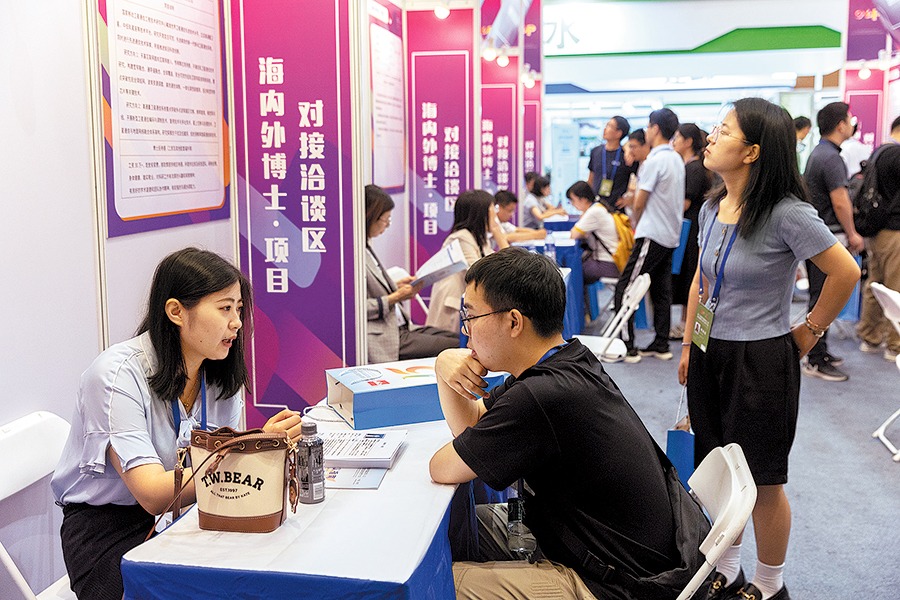
China is experiencing an unprecedented wave of overseas talent returning to the mainland, with 2025 marking a historic high in returnee employment numbers. This significant reverse brain drain phenomenon is primarily driven by China’s robust economic outlook, transformative industry upgrades, and favorable government policies targeting educated expatriates.
According to data from Zhaopin, China’s leading recruitment platform, the number of overseas returnees seeking employment surged by 5% year-on-year in 2025, representing a remarkable 150% increase since 2018. Fresh graduate returnees demonstrated even more substantial growth, climbing 12% over the previous year and achieving a 225% expansion since 2018—reaching an eight-year peak.
Geographic analysis reveals that approximately one-third of returnees originated from the United Kingdom, while Australia contributed around one-fifth of the total. The United States accounted for nearly 8% of returning professionals, indicating diverse global educational backgrounds among the talent pool.
The driving forces behind this trend are multifaceted. Industry transformation toward advanced sectors has generated abundant opportunities, particularly in artificial intelligence, new energy, and high-end manufacturing. AI-related positions, such as AI product managers, witnessed explosive 178% growth in job postings during the first three quarters of 2025, accompanied by competitive compensation packages.
Li Qiang, Vice-President of Zhaopin, highlighted that “Chinese companies increasingly value overseas educational backgrounds and language capabilities as they expand their global footprint.” Traditional strongholds for returnees—education, consultancy, and trade sectors—continue to prioritize cross-cultural communication skills and international experience.
Emerging industries aligned with China’s ‘new quality productive forces’ initiative, including metal products and pharmaceutical manufacturing, are actively recruiting returnees to support their transition toward intelligent, environmentally sustainable operations and international market expansion.
Returnees themselves demonstrate strong preference for cutting-edge fields with high technical barriers and global recognition. Resume submissions surged approximately 90% in new materials, 75% in robotics, and 35% in artificial intelligence sectors during 2025.
International employment dynamics have also influenced return decisions. Shifting visa policies in some countries have intensified local job competition, while China offers stable living conditions and supportive policies including streamlined household registration (hukou) processes and entrepreneurship incentives for returnees.
Wang Siqi, a 27-year-old who returned after postgraduate studies in the UK, exemplifies this trend: “I prefer the climate and convenient living environment here on the mainland.” Now employed at a Shenzhen consultancy firm, Wang joins numerous peers settling in major urban centers like Shanghai and Beijing.
Professor Li Chang’an of the University of International Business and Economics cautions that while returnees bring international perspectives, they may underestimate the competitive domestic job market where elite university graduates demonstrate comparable capabilities, potentially creating adjustment challenges for returning professionals.