China has embarked on its monumental annual migration period known as ‘chunyun,’ with government projections indicating an unprecedented 9.5 billion trips will occur during the 40-day travel window surrounding the Lunar New Year. This massive human movement, recognized as the world’s largest periodic migration, demonstrates both the enduring cultural significance of family reunions and the economic realities facing millions of Chinese workers.
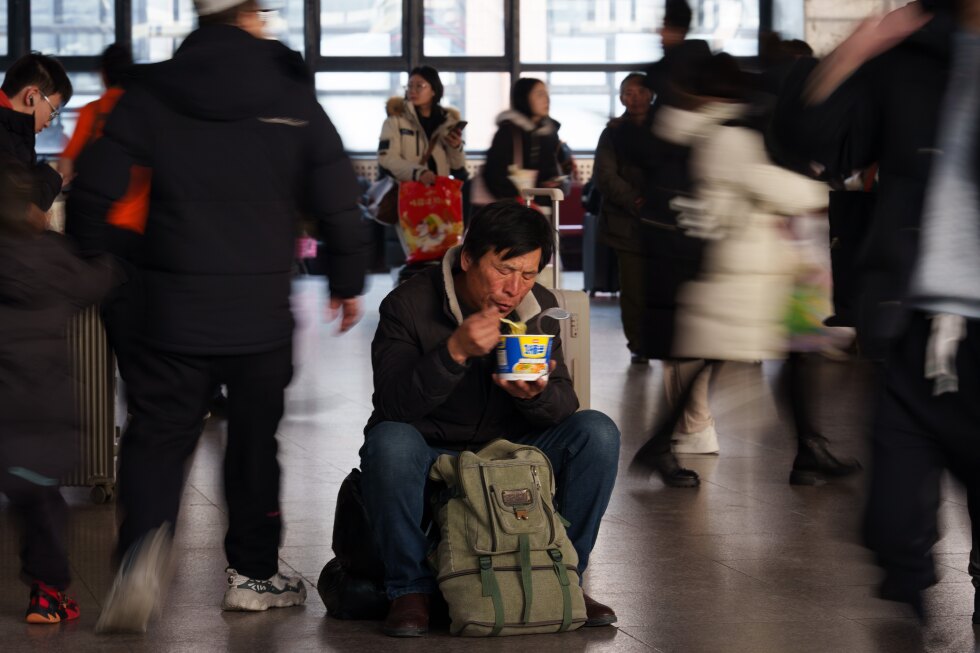
At Beijing’s railway stations, travelers laden with oversized luggage and suitcases crowded waiting areas, many sustaining themselves with instant noodles between journeys. The stations provide complimentary hot water, facilitating this traditional travel sustenance for the millions undertaking long-distance trips.
Liu Zhiquan, a construction worker, exemplifies the economic pressures affecting travel decisions. Opting for a 30-hour conventional train journey to Chengdu instead of the 9-hour high-speed alternative, Liu explained: ‘The economic situation feels more challenging this year. Making money has become increasingly difficult.’ His choice to endure the extended travel time reflects the financial calculations many workers must make to afford the traditional homecoming.
Despite these economic concerns, the cultural pull remains powerful. Tian Yunxia, a breakfast stall operator from Henan province, emphasized: ‘The new year represents the ultimate festival. Without returning home, we cannot experience the authentic holiday atmosphere. I need to reunite with my children, grandchildren, and husband.’
Young professionals like Tian Duofu, who recently entered Beijing’s workforce, recognize the diminishing opportunities for family gatherings. ‘After beginning my career, I’ve realized such extended holidays are rare occurrences. The decreasing frequency of in-person meetings makes the Spring Festival increasingly meaningful,’ she noted.
The travel distribution reveals fascinating patterns: approximately 540 million journeys will occur via rail, 95 million by air, with the remainder utilizing road transportation. This migration phenomenon highlights the unique Chinese workplace culture where extended hours and limited annual leave make the Lunar New Year break a precious opportunity for family reconnection across vast distances.