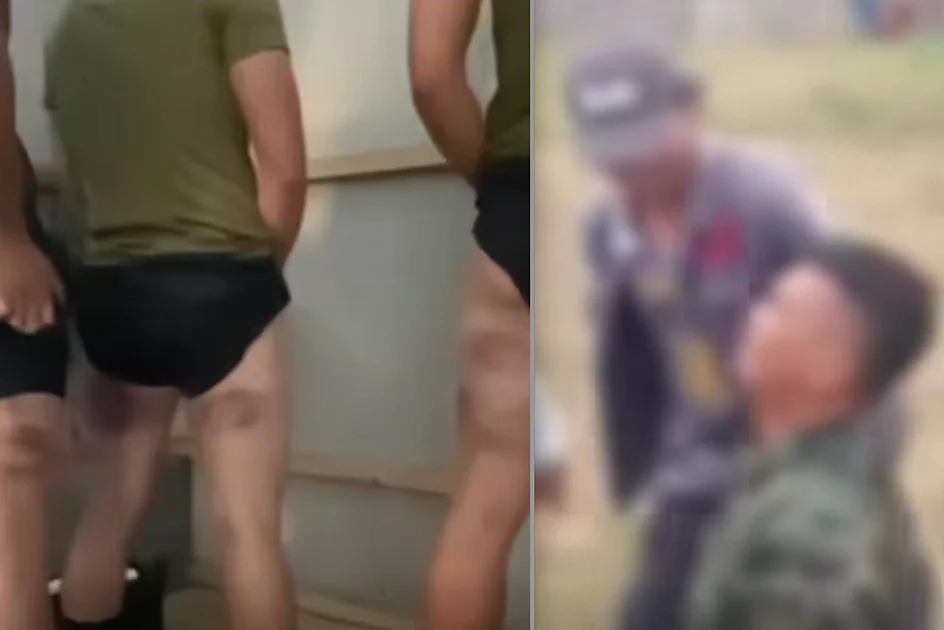
In a decisive response to systemic abuse, Philippine authorities have relieved an entire police battalion from duty following revelations of extreme hazing rituals inflicted upon new recruits. The incident, which occurred at the Lamitan City police headquarters in Basilan province, involved at least 129 recruits subjected to punches, wooden stick beatings, and various forms of physical punishment allegedly as part of their initiation into the Philippine National Police (PNP).
Brig. Gen. Randulf Tuaño, PNP spokesperson, confirmed the immediate suspension of all 70-plus members of the Bangsamoro Administrative Region Mobile Force Battalion 14B, with replacements already deployed from Battalion 14A. Official reports identify twelve non-commissioned officers, including five police corporals and five patrolmen, as primary perpetrators in the viral video case that sparked national outrage.
This incident highlights the persistent culture of violent initiation rites within Philippine security forces despite the 2018 Anti-Hazing Act that criminalized such practices. Historically targeting recruits from impoverished backgrounds, these rituals purportedly aim to build mental and physical resilience but have repeatedly resulted in fatalities, including the July 2022 death of Jaypee De Guzman Ramores and the 2019 hazing murder of Cadet Darwin Dormitorio at the Philippine Military Academy.
Human rights organization Karapatan condemned the practices, with Secretary General Cristina Palabay emphasizing that ‘violence against police and military recruits during training teaches them to become eventually violent even when dealing with the civilian populace.’ The group asserts these rituals foster a culture of brutality that fundamentally disregards human dignity and basic rights.
The persistence of these traditions extends beyond police and military academies to criminology programs, maritime schools, and reserve officer trainings throughout the country. The 2001 hazing-related murder of University of Santo Tomas cadet Mark Welson Chua previously led to the abolition of mandatory Reserve Officers’ Training Corps, demonstrating the long-standing struggle against institutionalized violence in Philippine training programs.