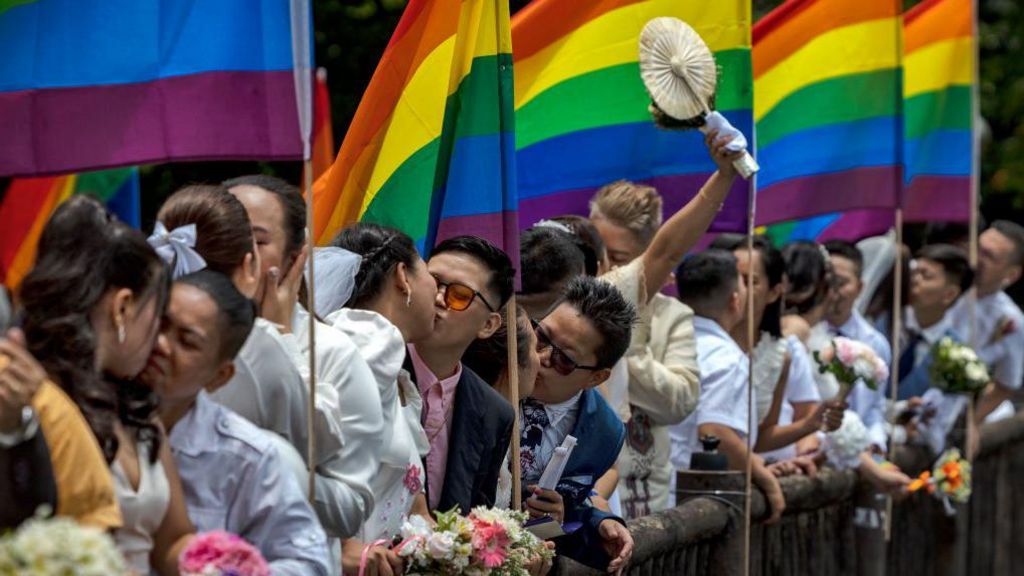
In a groundbreaking judicial decision, the Philippine Supreme Court has extended property co-ownership rights to same-sex couples for the first time in the nation’s history. The ruling, made public on Tuesday, represents a significant shift in the legal landscape of the predominantly Catholic country where same-sex unions remain prohibited.
The case centered on a dispute between two former partners who had jointly acquired a house and lot in suburban Manila. When one woman refused to honor their agreement to sell the property, the other filed a legal claim seeking division of their assets. Both lower courts and the Court of Appeals had previously denied the claim, but the Supreme Court reversed these decisions on February 5th.
The court’s landmark interpretation applied Article 148 of the Family Code, which governs property relations between unmarried cohabiting partners. Despite the property being registered under only one partner’s name for administrative convenience, the court recognized documentary evidence showing both women had contributed equally to purchase and renovation costs.
Associate Justice Marvic Leonen emphasized that Article 148 must apply without gender discrimination, stating that failure to do so would ‘render legally invisible some forms of legitimate intimate relationships.’ Associate Justice Amy Lazaro Javier further noted that the provision must not be limited to heterosexual couples given ‘prevailing values in modern society’ and ‘unjustified difference in treatment.’
Supreme Court spokesperson Camille Ting confirmed to the BBC that this marks the first application of Article 148 to same-sex property rights cases. While stopping short of legalizing same-sex unions, the court explicitly called on government and legislative bodies to address the broader needs of LGBT couples regarding property, finance, and healthcare protections.
The decision acknowledges the unique legal challenges facing same-sex couples in the Philippines—the only country worldwide outside the Vatican that prohibits divorce, leaving LGBT partners without essential legal safeguards.