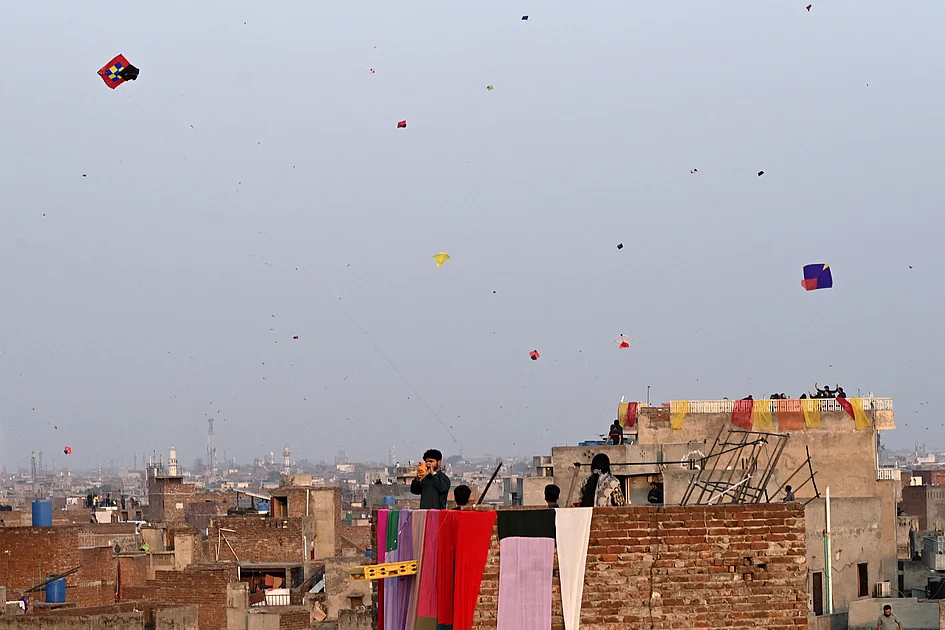
After nearly two decades of prohibition, Lahore’s skies once again erupted in a vibrant tapestry of color as Pakistan’s renowned Basant kite-flying festival returned under stringent new safety measures. The three-day spring celebration, traditionally marking seasonal transition in Punjab province, resumed operations this weekend following its 2007 ban imposed after multiple fatalities caused by glass-coated kite strings and celebratory gunfire.
The revival sparked widespread enthusiasm across the nation, with participants reporting unprecedented demand for kites and flying equipment. “The entire province, indeed all of Pakistan, is electrified with excitement. Finding kites and strings has become challenging due to overwhelming sales,” remarked Shahzaib, a festival participant, amid background drum celebrations.
Authorities implemented comprehensive safety protocols including QR-code tracking systems for kite sales, confiscation of prohibited materials, and city-wide police deployment to enforce regulations. Hospitals remained on high alert for potential injuries, while motorcycle riders adopted protective rods to intercept dangerous strings before contact.
Cultural activists and rights groups had long criticized the original ban, maintaining that inadequate enforcement rather than the festival itself caused previous tragedies. The economic impact proved significant, with kite maker Tariq revealing he sold 20,000-25,000 kites following the ban’s lifting, revitalizing workshops that had remained dormant for years.
The celebration proceeded despite security concerns following a recent suicide bombing in Islamabad that killed 31 people, which prompted cancellation of some official events. The festival’s centerpiece remained kite-fighting competitions, where participants maneuvered kites to sever opponents’ strings amid cheers from rooftop spectators.
Veteran string maker Chand Ustand, 51, expressed hope for the tradition’s sustained revival: “Purchasing and flying kites shouldn’t be temporary. Continued participation supports our livelihoods while preserving cultural heritage.”