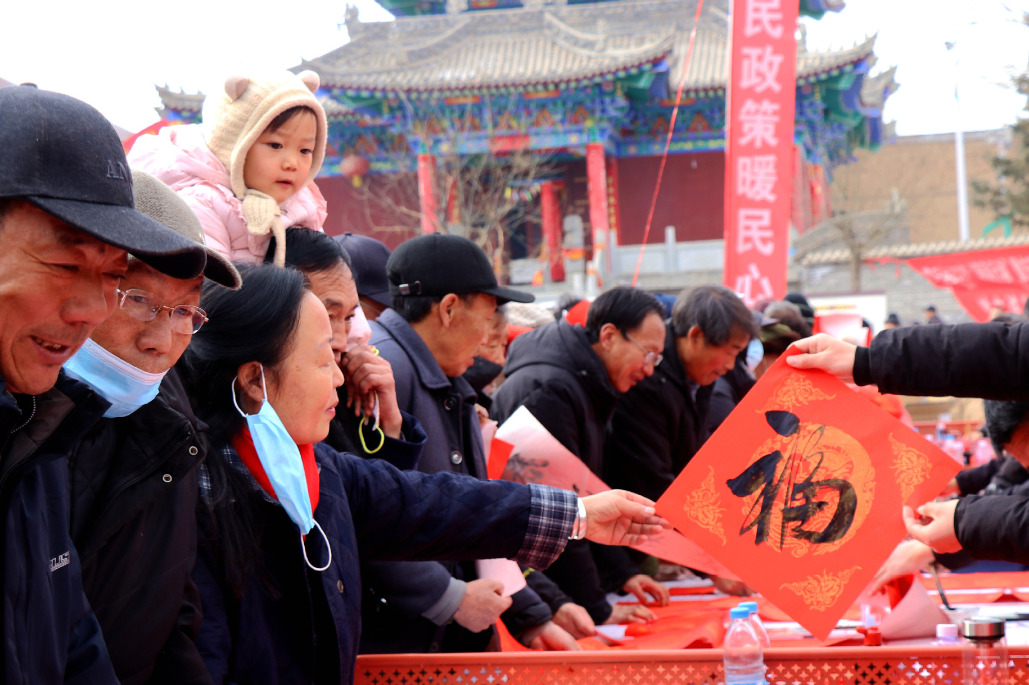
Across China, vibrant preparations for the upcoming Spring Festival have transformed cities into hubs of cultural celebration and commercial activity. Traditional fairs featuring specialty Lunar New Year goods have emerged as central gathering points for citizens preparing for the most significant festival in the Chinese calendar.
In Yinchuan, Northwest China’s Ningxia Hui Autonomous Region, recent photographs capture bustling scenes at local fairs where residents enthusiastically purchase traditional decorations, culinary specialties, and festive supplies. These markets represent a nationwide phenomenon as communities from various regions engage in time-honored customs marking the approach of the Year of the Horse.
The visual documentation from February 5, 2026, shows crowded marketplaces adorned with red lanterns and traditional paper-cuttings, symbolizing good fortune and prosperity. Vendors display an array of seasonal products including couplets, paintings, handicrafts, and specialty foods that form essential components of the festival celebrations.
This annual tradition of Spring Festival fairs serves multiple purposes: preserving cultural heritage, stimulating local economies, and strengthening community bonds. The gatherings provide platforms for artisans to showcase traditional crafts while enabling families to procure everything necessary for their New Year celebrations in one location.
Urban centers across China have implemented special arrangements to accommodate these temporary markets, ensuring both cultural preservation and commercial vitality. The phenomenon demonstrates the enduring significance of traditional festivals in contemporary Chinese society and the seamless integration of ancient customs with modern urban life.