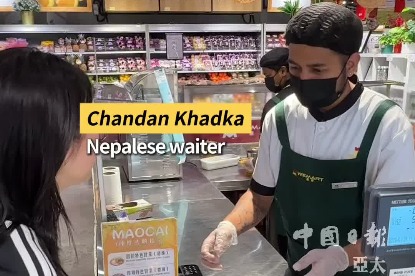
The aromatic steam of Sichuan peppercorns and simmering meat broths now permeates the air across Dubai’s diverse culinary landscape. Malatang, the customizable Chinese hot pot dish, has transcended its cultural origins to become a gastronomic phenomenon embraced by the city’s multicultural population.
At bustling malatang restaurants throughout Dubai, stainless steel baskets overflow with fresh leafy greens, premium meats, and an assortment of noodles while patrons of Asian, Arab, African, and European backgrounds sit side-by-side. The distinctive sound of clinking chopsticks and forks accompanies lively conversations, creating a unique cross-cultural dining experience that bridges culinary traditions.
This culinary migration represents more than just food trend adoption—it signifies Dubai’s evolving identity as a global gastronomic hub where Eastern and Western flavors converge. The malatang experience, traditionally characterized by its build-your-own bowl concept and numbing-spicy flavor profile, has been adapted to accommodate local tastes while maintaining its authentic Chinese character.
Restaurant owners report consistently growing demand across all demographic groups, with particular popularity among young professionals and families seeking both flavorful and customizable dining options. The dish’s interactive nature and health-conscious preparation—with customers selecting fresh ingredients cooked to order—align perfectly with contemporary dining preferences.
The successful integration of malatang into Dubai’s food scene demonstrates how culinary diplomacy can foster cross-cultural understanding and appreciation. As Chinese cuisine continues to gain international recognition, malatang stands out as a particularly successful ambassador of China’s rich culinary heritage, creating new opportunities for cultural exchange through shared dining experiences.