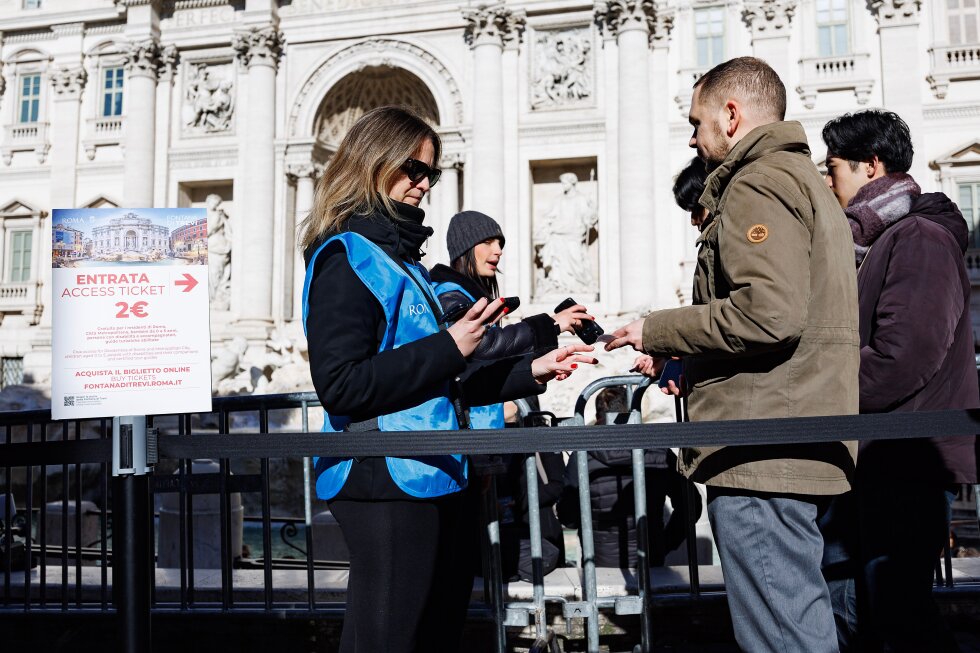
ROME — The Eternal City has initiated a new €2 ($2.35) access fee for tourists seeking close proximity to the iconic Trevi Fountain, marking a significant shift in urban tourism management. Implemented on Monday, this measure aims to generate essential revenue while regulating visitor density at one of the world’s most celebrated Baroque monuments.
The innovative pricing strategy emerged from successful crowd management experiments conducted throughout the previous year. Visitors now experience structured pathways and controlled entry systems, fundamentally transforming the accessibility dynamics around the fountain’s basin. Initial reactions from international tourists have been overwhelmingly positive, with many acknowledging the nominal fee as reasonable compensation for enhanced visitation quality.
Simultaneously, Rome introduced a complementary €5 museum access ticket for specific cultural institutions. Both initiatives exempt registered city residents, with additional revenue streams designated to expand free museum access for locals. Municipal authorities project approximately €6.5 million in annual revenue that will directly support preservation efforts for Rome’s extensive cultural heritage.
Tourism Assessor Alessandro Onorato emphasized the symbolic value of the modest charge: ‘Considering the Trevi Fountain’s global significance, this token amount demonstrates Rome’s commitment to balancing accessibility with conservation.’ The system permits advanced online bookings for prime daylight access, while maintaining free viewing from the surrounding piazza and during non-ticketed hours.
This approach aligns with broader Italian tourism management strategies, including Venice’s day-tripper tax and the Pantheon’s ticketing system. However, it contrasts sharply with recent Louvre Museum price increases reaching €32 for non-European visitors. The Trevi Fountain continues to captivate visitors with its mythological grandeur—featuring Oceanus surrounded by cascading waters—and enduring cinematic legacy from Fellini’s ‘La Dolce Vita.’ While recreational bathing remains prohibited, the tradition of coin-tossing for ensured return to Rome persists under the new managed access system.