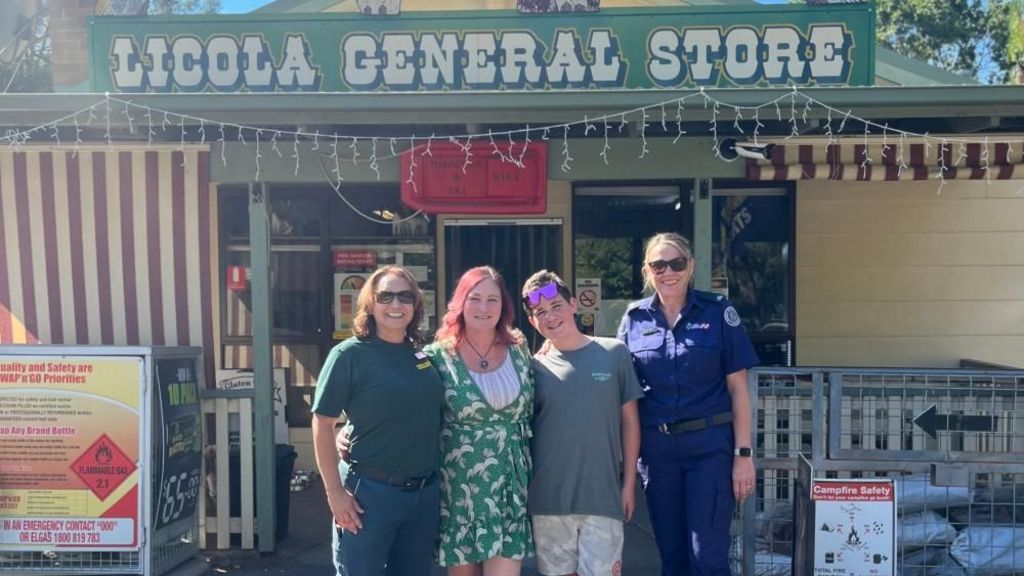
Nestled within Victoria’s rugged bushland, the microscopic settlement of Licola – with a permanent population of just five residents – has become the center of a brewing controversy as the entire township hits the real estate market. This remote outpost, located approximately three hours from Melbourne, represents one of Australia’s smallest incorporated communities, comprising a general store, caravan park, petrol station, and several weatherboard structures clustered around a modest main thoroughfare.
The town’s private ownership by the local Lions Club chapter has suddenly become its greatest vulnerability. After decades serving as a crucial waystation for travelers en route to Alpine National Park and operating youth outreach programs for half a century, the organization claims financial sustainability has become impossible. The club quietly listed the entire village for sale online late last year with an asking price between A$6-10 million (£3-5.3m; $4.3-7.2m), catching residents and fellow Lions members completely off guard.
At the emotional heart of this story stands Leanne O’Donnell, the general store proprietor and one of Licola’s few full-time inhabitants. She resides in the town with one of her children, alongside her best friend and her two children, creating the nucleus of Licola’s tiny community. O’Donnell purchased the business in 2022 under what she believed would become a 15-year lease arrangement, only to discover the board intended to terminate her tenure entirely.
“They told me unless you get a couple of million dollars, there’s nothing much you can do,” O’Donnell recounted to the BBC regarding her attempts to negotiate with the Lions Village Licola board. When she proposed fundraising initiatives, the response was reportedly unequivocal: “No, we’re just going to take your business because we own the land and we own the buildings.”
The sale has triggered substantial backlash across regional Victoria. An online petition demanding O’Donnell’s lease renewal has gathered over 8,000 signatures, while social media channels overflow with criticism toward the board’s decision-making process. Many commentators express concerns about commercial development destroying Licola’s character or the complete disappearance of essential services for travelers and campers.
Even within the Lions organization itself, dissent has emerged. Other Victorian Lions members have formally accused the board of acting without proper consultation or due process, suggesting the move betrays the community-service ethos the organization represents.
In defense of their position, the Lions Village Licola board cites an operational review indicating the town had been running at a loss for five to six years. Rising operational costs, skyrocketing insurance premiums, aging infrastructure, and declining attendance at their youth camps created an unsustainable financial model. Chairman Denis Carruthers emphasized that the board’s primary responsibility lies with protecting the mission of supporting disadvantaged youth rather than maintaining physical assets.
All proceeds from the sale will be redirected into a new foundation funding professionally operated camps across Victoria, though whether Licola itself will continue hosting such programs remains uncertain. With O’Donnell facing eviction by January 31st and prospective buyers showing “considerable interest,” the future of this unique Australian community hangs precariously in the balance.