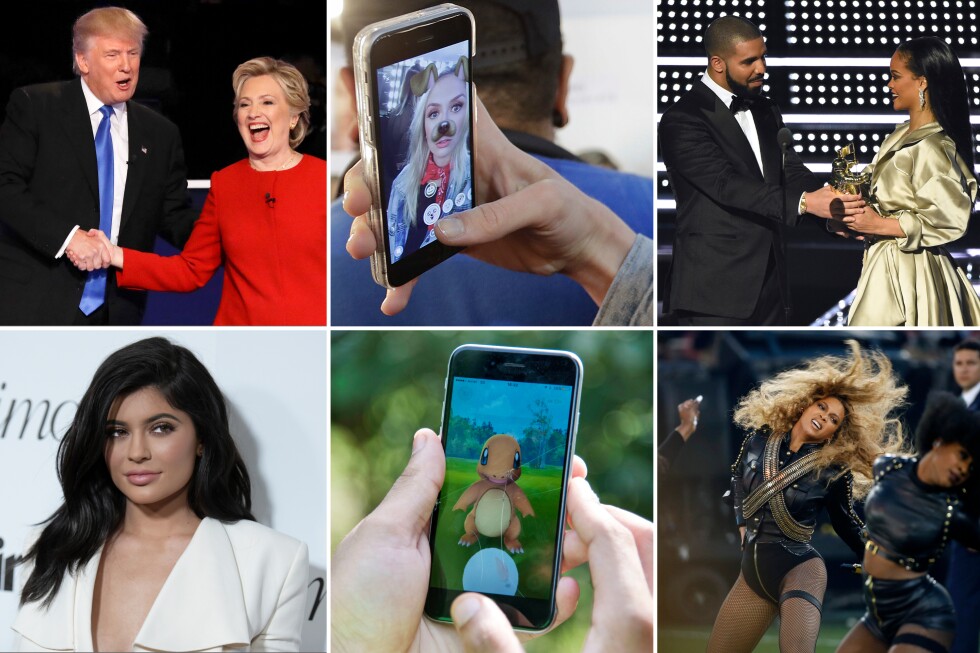
A profound cultural phenomenon is sweeping across social media platforms as millions in their twenties and thirties embark on a collective journey back to 2016. This digital nostalgia movement, characterized by shared throwback photos and memories, represents more than mere reminiscence—it signifies a generational search for comfort in what many perceive as simpler times.
According to sociological experts, 2016 marked a critical transitional period before significant global shifts. Professor Janelle Wilson of the University of Minnesota-Duluth identifies this era as existing “on the cusp of things, but not fully thrown into the dark days that were to come.” The year preceded monumental developments including Donald Trump’s presidency, Brexit implementation, and the impending COVID-19 pandemic that would reshape global society.
The nostalgia manifests through distinct cultural touchpoints: Snapchat’s dog filters, Instagram’s sepia-toned aesthetics, maximalist fashion trends from Coachella, and the musical dominance of Beyoncé, Drake, and Rihanna. For individuals like Maren Nævdal, 27, and Njeri Allen, 27, these elements created an atmosphere of authenticity and carefree expression that contrasts sharply with contemporary concerns.
Professor Nina van Volkinburg of University of the Arts London notes that 2016 represented “a new world order” beginning with fractured trust in institutions while maintaining a sense of possibility. The era’s ‘boss babe’ culture and millennial pink aesthetics symbolized young adulthood emerging with optimism.
Technological advancements have accelerated nostalgic tendencies, making past experiences instantly accessible. This accessibility, combined with current uncertainties about artificial intelligence and global instability, has intensified the yearning for recent history. As Allen notes, having moved between the U.S. and Taiwan, “When both of your homes don’t feel safe, it’s easier to return to a time that felt comfortable.”
The trend reflects broader cultural movements toward analog experiences—vinyl records, letter writing, and retro aesthetics—suggesting a collective desire for tangible connections in increasingly digital landscapes. This nostalgia serves not only as escape but as meaningful reflection on personal and societal evolution over the past transformative decade.