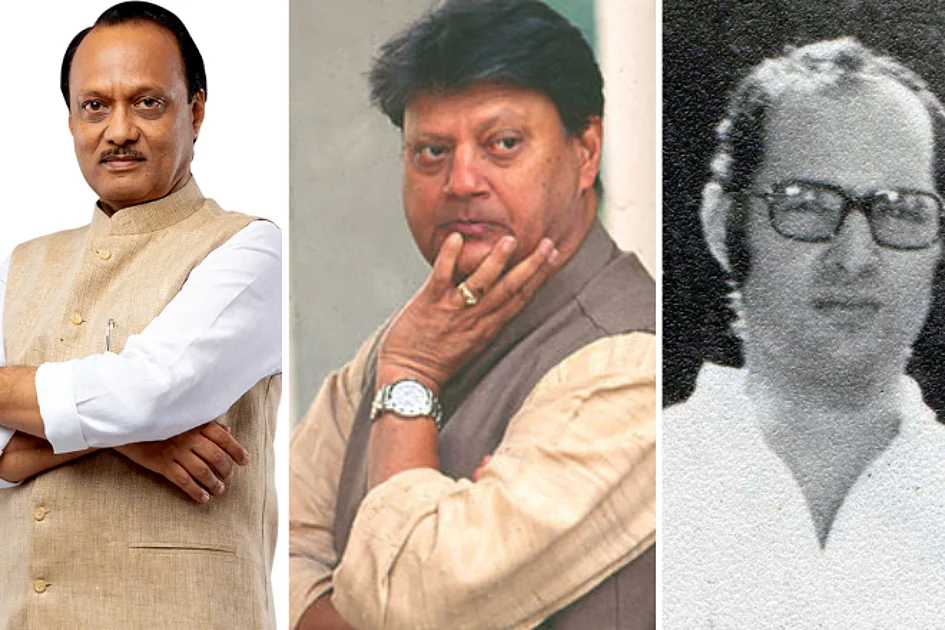
A devastating aviation accident has claimed the life of Maharashtra’s Deputy Chief Minister Ajit Pawar, sending shockwaves through India’s political establishment. The Learjet 45 aircraft carrying Pawar and five other individuals crashed during its landing approach near Baramati in Pune district in the early hours of January 28, resulting in no survivors.
This tragic incident represents the latest in a concerning pattern of aviation fatalities involving India’s prominent political figures. The historical record reveals numerous high-profile casualties spanning decades of air travel mishaps.
In 2025, former Gujarat Chief Minister Vijay Rupani perished aboard Air India flight AI-171, which crashed shortly after takeoff from Ahmedabad claiming 241 lives in one of India’s deadliest aviation disasters. The year 2021 witnessed the loss of India’s inaugural Chief of Defence Staff, General Bipin Rawat, alongside his wife and twelve others in a Mi-17V5 helicopter crash attributed to adverse weather conditions.
Earlier tragedies include the 2011 disappearance and subsequent fatal crash of Arunachal Pradesh Chief Minister Dorjee Khandu’s helicopter near the China border, and the 2009 accident that killed Andhra Pradesh Chief Minister YS Rajasekhara Reddy during inclement weather. Additional casualties encompass Haryana Power Minister OP Jindal and Agriculture Minister Surender Singh (2005), Lok Sabha Speaker GMC Balayogi (2002), Congress leader Madhavrao Scindia (2001), and Sanjay Gandhi, son of former Prime Minister Indira Gandhi (1980).
The historical record even extends to the controversial 1945 plane crash that allegedly claimed the life of independence leader Subhas Chandra Bose, though this incident remains shrouded in mystery and ongoing speculation.
These repeated tragedies highlight persistent concerns regarding aviation safety protocols, weather-related risk assessment, and maintenance standards for aircraft transporting public officials across India’s diverse and challenging terrain.