In the shadow of the Milan Cortina Winter Olympics, Italy’s ancient Ladin minority is orchestrating an independent cultural showcase after being overlooked by official Games programming. This ethnolinguistic community, whose Dolomite mountain heritage spans two millennia, finds itself excluded from the international platform that has historically celebrated host cultures.
The Ladin people, numbering approximately 35,000 speakers recognized by UNESCO as an endangered language group, inhabit five valleys across three Olympic territories: Veneto, Alto Adige, and Trentino. Despite comprising half of Cortina d’Ampezzo’s population and producing Olympic athletes like slalom skier Alex Vinatzer and bronze medalist figure skater Carolina Kostner, their distinct cultural identity received no invitation for representation in the February 6 opening ceremony.
Organizers confirmed the 2.5-hour spectacle will emphasize Italian fashion, design, and music instead. This decision contrasts sharply with previous Olympic traditions, where Lillehammer featured the Arctic Sami people and Beijing showcased China’s 54 ethnic minorities.
In response, Ladin communities across the Dolomites have launched grassroots initiatives to share their heritage. Elsa Zardini, head of Cortina’s Ladin community, leads a campaign distributing tricolor flags (azure, white, and green representing mountain landscapes) to welcome visitors while subtly protesting their exclusion. Simultaneously, the General Ladin Union produced multilingual mini-dictionaries and historical videos with English subtitles tracing their Roman origins through Napoleonic wars to modern times.
The cultural displacement echoes deeper tensions: the 1956 Olympics transformed Cortina from a Ladin-majority town into a luxury resort, creating inheritance tax pressures that force young families to leave. While two traditional appearances were permitted—a torch ceremony presence and a non-broadcast parade—community leaders emphasize these token gestures fail to meaningfully represent their linguistic minority status.
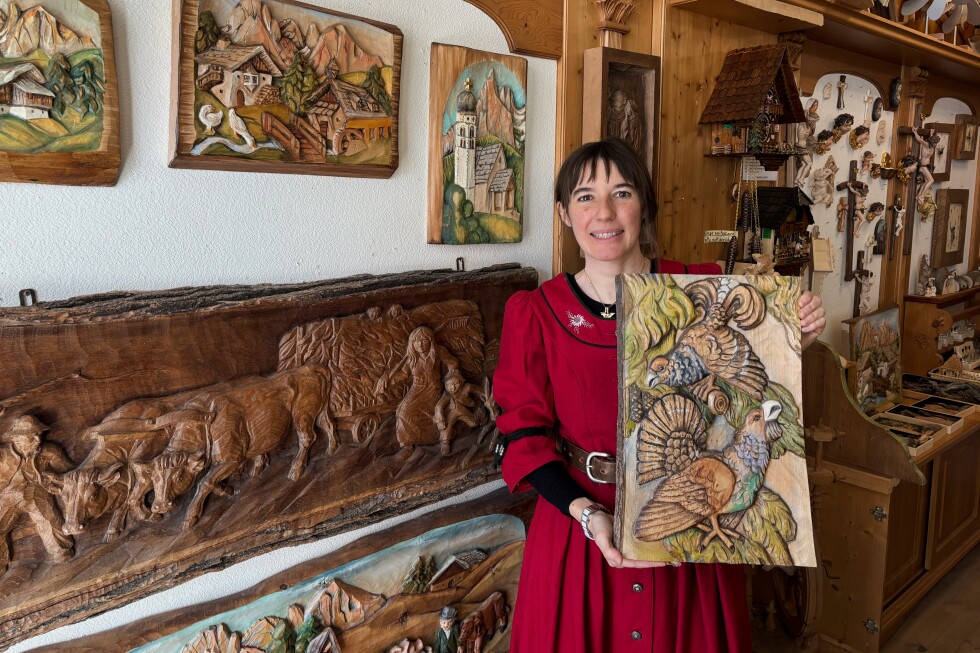
As the world watches the Games, Ladins are leveraging the international attention to assert their enduring presence through self-organized exhibitions of traditional woodcarving, costume displays, and musical events across the Dolomite region.