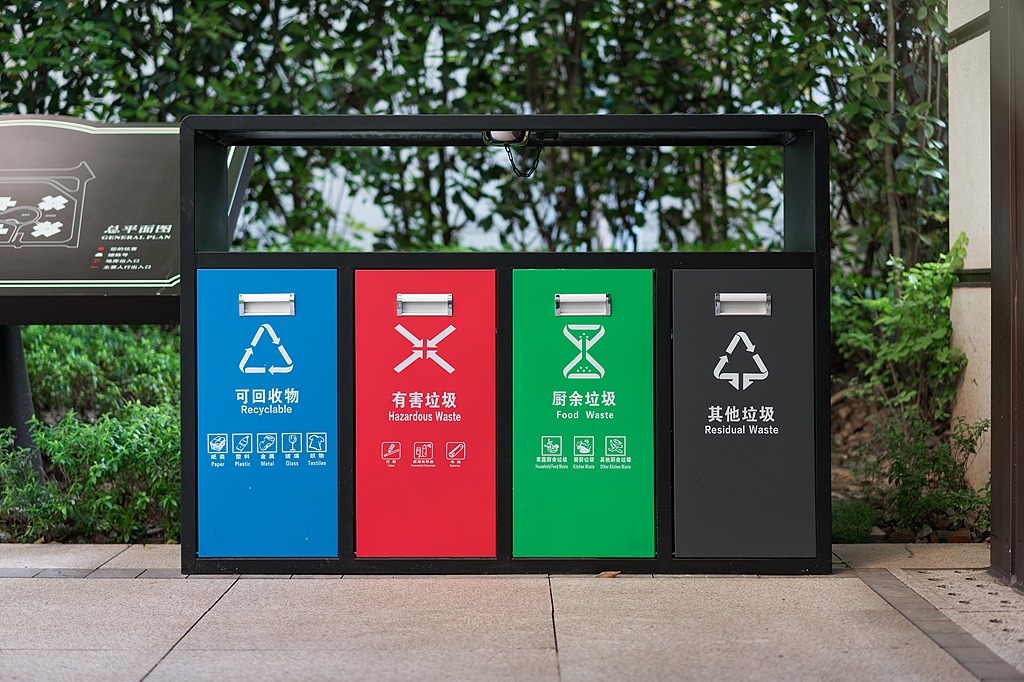
China’s ambitious national garbage classification campaign demonstrates pronounced regional disparities, with only a handful of metropolitan areas achieving world-class implementation while most cities struggle with foundational adoption. According to a comprehensive five-year study by the Institute of Public and Environmental Affairs, the initiative remains in its preliminary stages across much of the country despite notable successes in pioneering urban centers.
The environmental organization developed an innovative monitoring system that collected approximately 134,000 photographic and video submissions from public contributors to evaluate urban waste management performance. This crowdsourced data enabled the creation of a specialized garbage sorting index to measure and compare municipal effectiveness in promoting waste classification systems.
Recent assessments reveal that China’s waste management infrastructure has transitioned from experimental pilot programs to an increasingly structured national framework. The eastern cities of Suzhou and Shanghai emerged as exceptional performers, with Suzhou leading the rankings at 95.74 points followed by Shanghai at 83.98 points, establishing global benchmarks for urban waste sorting efficiency.
However, the report uncovered significant implementation challenges beyond these showcase municipalities. Among 41 designated key cities, the average waste sorting score reached merely 29.54 points, while other urban centers averaged a concerning 10.56 points. This disparity resulted in an overall national average of just 18.04 points across all 104 evaluated cities.
Ma Jun, director of the Institute, emphasized that despite exemplary progress in leading cities, most urban areas remain in early developmental phases where voluntary waste separation habits have not taken root. The persistent practice of mixed waste disposal without effective oversight continues to hinder national progress, particularly affecting the recovery rates of less valuable recyclable materials that require more sophisticated sorting infrastructure.