Spain’s rail network is confronting a multifaceted crisis as authorities implement emergency speed restrictions on key high-speed lines while simultaneously grappling with severe service disruptions in Catalonia. The latest development involves a detected crack on the Madrid-Barcelona line, prompting transport officials to impose an 80km/h speed limit on a critical section approximately 110km west of Barcelona. Transport Minister Óscar Puente confirmed the fault was identified Sunday night between Alcover and l’Espluga de Francolí in the Catalonia region.
This safety measure follows the devastating Adamuz collision in southern Spain that claimed 45 lives earlier this month, marking the country’s worst rail disaster in over a decade. The transport ministry has emphasized that the newly discovered crack does not immediately endanger trains, though the drastic speed reduction from normal operating speeds of 300km/h represents the most severe in a series of recent restrictions.
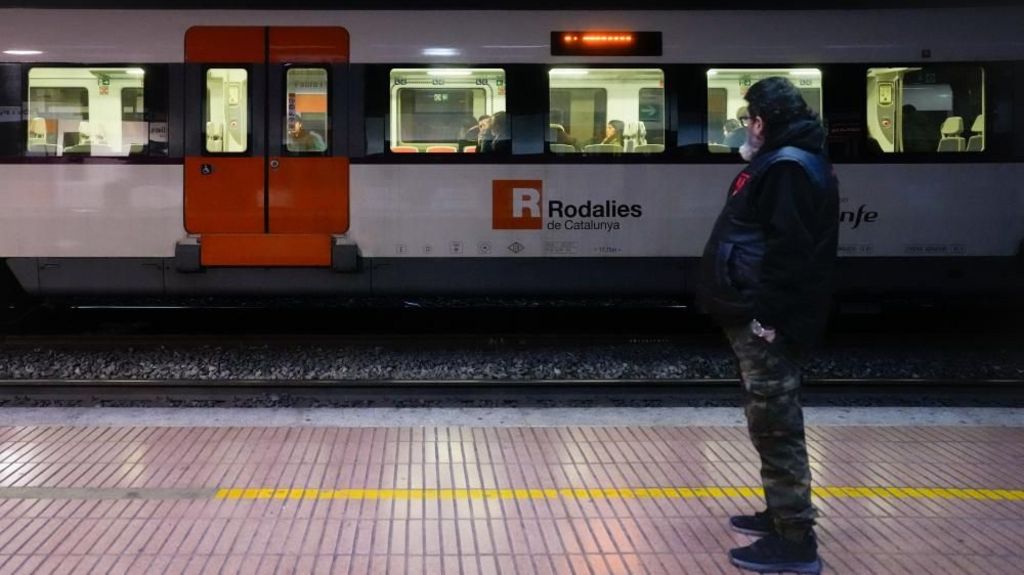
Parallel to these high-line concerns, Catalonia’s Rodalies commuter service has experienced systemic collapse. Service suspensions began last week after a trainee driver died when a train struck a collapsed wall, prompting drivers to demand enhanced safety guarantees. On Monday, two separate incidents caused further chaos, with Spanish authorities acknowledging they haven’t determined the cause but not eliminating the possibility of cyber sabotage.
The political fallout is intensifying as opposition politicians demand Minister Puente’s resignation, accusing him of misleading the public following the Adamuz tragedy. Investigations into that crash are focusing on a 40cm section of track that fractured at the junction between newly manufactured (2023) and older (1989) rail components. Meanwhile, the Catalan Republican Left party attributes the Rodalies breakdown to ‘decades of lack of investment,’ with local business leaders warning that reputational damage may exceed economic losses.
Prime Minister Pedro Sánchez is scheduled to address Congress on February 11 regarding the escalating rail crisis, as Spain’s transportation infrastructure faces unprecedented scrutiny and challenges.