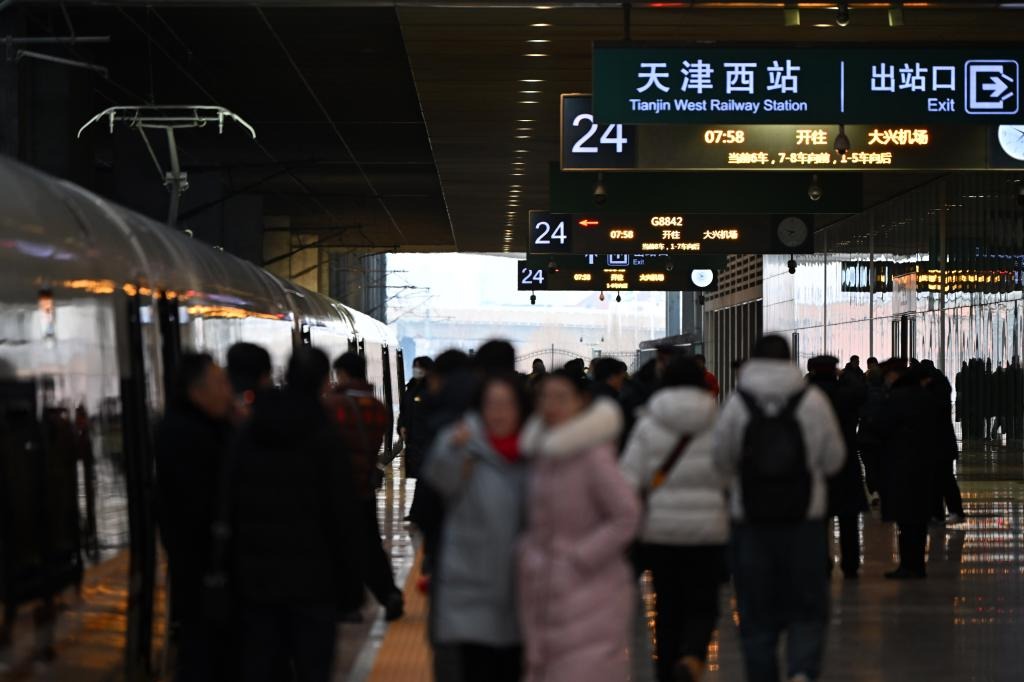
Tianjin is poised to dramatically enhance its regional connectivity through an ambitious rail expansion initiative that will integrate the municipality into Beijing’s commuting sphere. Mayor Zhang Gong unveiled this strategic development plan during Monday’s delivery of Tianjin’s annual government work report, emphasizing a transformation from basic transportation links to comprehensive industrial and functional collaboration.
The blueprint positions Tianjin as a multimodal hub combining transportation, industry, and urban development. The strategy promotes innovative living and working models including “work in Beijing, reside in Tianjin” and “manufacture in Tianjin, talent from Beijing.” The municipality aims to attract Beijing-based enterprises to establish operations in Tianjin through integrated developments that combine high-speed rail connectivity with business parks, residential complexes, and public service facilities.
Key to this initiative are several rail hub districts undergoing significant redevelopment. Commercial zones surrounding Tianjin West, Tianjin South, Binhai, and Wuqing stations will be transformed into service-oriented clusters offering comprehensive support systems encompassing employment opportunities, housing solutions, household registration services, educational facilities, and business services. These enhancements are specifically designed to attract both professionals and corporations seeking strategic advantages within the region.
A particularly noteworthy proposal involves extending rail transit connections to create a seamless transportation corridor linking Tongzhou in Beijing with Wuqing in Tianjin and Langfang in neighboring Hebei province. This infrastructure expansion aims to facilitate effortless cross-border commuting while promoting the fluid movement of residents and workers throughout the broader regional ecosystem.