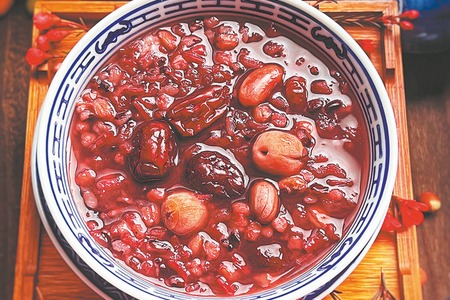
As winter’s chill embraces Beijing, the aromatic steam of laba porridge rises from ancient temples, signaling the official commencement of Chinese New Year festivities. This Monday, marking the eighth day of the twelfth lunar month, communities across China will participate in the centuries-old tradition that blends culinary artistry with cultural significance.
The term ‘laba’ itself derives from Chinese lunar calendar terminology, with ‘la’ denoting the twelfth month and ‘ba’ representing the number eight. This symbolic porridge, typically crafted from at least eight ingredients including glutinous rice and red beans, transcends mere culinary practice to embody a cultural countdown to new beginnings.
Historical temples including Yonghegong (Lama Temple), Guanghua, and Tanzhe become epicenters of this tradition, distributing steaming bowls to thousands of visitors despite the winter cold. The ritual represents one of Beijing’s most significant seasonal events, maintaining continuity since the Qing Dynasty (1644-1911) when both royalty and commoners believed consuming temple-prepared porridge ensured future prosperity and peace.
Imperial archives reveal Emperor Yongzheng’s particular devotion to the ceremony, elevating it to a rigorously regulated ritual requiring eight days of preparation. Historical records document astonishing scales of production: single ceremonies utilized over 720 kilograms of primary ingredients, with total ingredient weight reaching 1,000 kilograms and consuming approximately 5,000 kilograms of firewood.
At Lama Temple, visitors can still witness the massive copper cauldron—crafted by imperial workshops, measuring two meters in diameter and weighing eight metric tons—that once facilitated these grand preparations. During Emperor Qianlong’s reign, the recipe incorporated thirteen premium ingredients including millet, rice, various beans, red dates, chestnuts, almonds, and brown sugar.
Beyond temple walls, contemporary adaptations thrive. Huguosi Snack, a renowned Beijing eatery, has introduced a modern version featuring over twenty ingredients, receiving praise on social platform Xiaohongshu for its authentic composition and satisfying quality.
Regional variations showcase China’s culinary diversity: Northern versions favor hearty, thick consistency often accompanied by pickled laba garlic; Jiangnan regions prefer lighter, delicately sweetened interpretations; while Northwestern adaptations incorporate lamb for enhanced warmth. Across all variations, the harmonious blend of grains symbolizes abundance and collective hopes for a prosperous coming year.