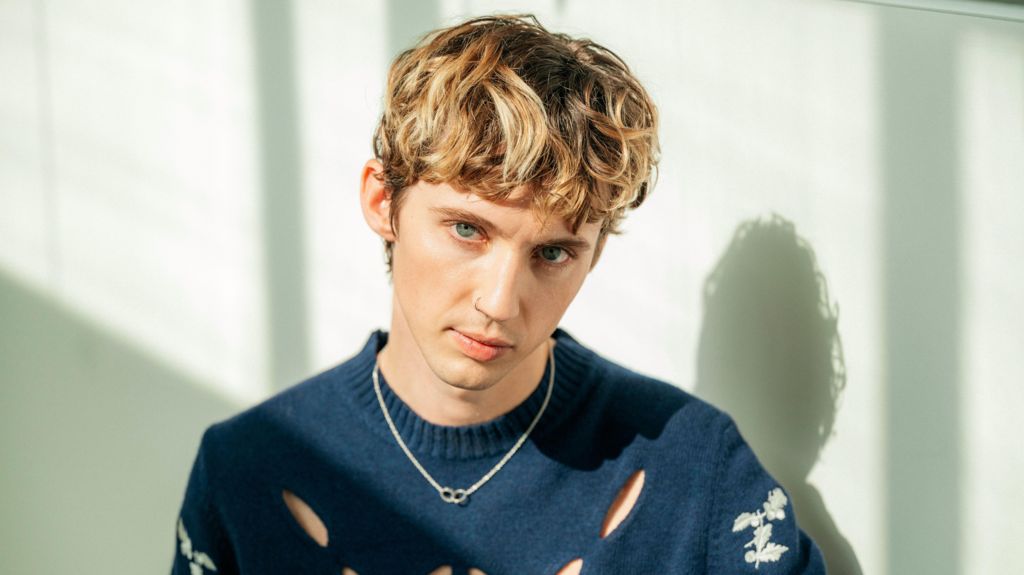
A London-based cosmetic surgeon has ignited a significant conversation about medical ethics and body image after publicly analyzing pop star Troye Sivan’s appearance without consent. Dr. Zayn Khalid Majeed, who boasts over 250,000 social media followers, posted a two-minute video dissecting what he termed “problem areas” in the 30-year-old singer’s facial structure following a red carpet appearance in Australia.
The video, which employed comparative imagery of Sivan throughout his career, introduced the concept of “twink death” – referring to the perceived aging of individuals who previously embodied a youthful, boyish aesthetic. Dr. Majeed proceeded to outline various cosmetic procedures including dermal fillers and skin boosters that could theoretically “retwinkify” the artist, framing his analysis within a hypothetical patient consultation scenario.
This unsolicited medical commentary prompted immediate backlash from both fans and general social media users. The situation escalated when Sivan himself responded through a heartfelt Substack essay, revealing how the video had exacerbated long-standing body image insecurities and nearly pushed him toward considering cosmetic interventions. “I’ve struggled with my body image for a lot of my life, as I’m sure most people have,” the singer wrote, questioning the societal pressure to “fix all of these flaws that this random plastic surgeon told me I have.”
Following the widespread criticism, Dr. Majeed removed the content from his TikTok and Instagram platforms and extended a personal apology to Sivan, which the singer described as “thoughtful and sweet.” In subsequent statements to BBC Newsbeat, the cosmetic practitioner expressed regret for the distress caused while maintaining his educational intent. “I felt terrible and it was never my intention to make him feel like that,” Majeed acknowledged, adding that he now recognizes how his content might contribute to negative beauty standards.
The incident has stimulated broader discussion about ethical boundaries in medical social media content. Samantha Rizzo, a New York-based content creator focused on skin positivity, distinguishes between consensual educational content and unauthorized celebrity analysis: “I appreciate if you’re using your clients and they consent to their before, during, after photos. I feel a little icky when they’re just taking the celebrity’s picture. Just because they’re famous doesn’t mean you have the right to just pick them apart.”
Rizzo speaks from personal experience, having undergone Botox injections that resulted in limited facial movement after being influenced by online content. She reflects that “the things you can see can skew your perception of yourself so much that it forces your hand for a decision like that.”
Irish social media personality Keelin Moncrieff further emphasizes the impact on young audiences, noting that even well-intentioned transparency about procedures can inadvertently endorse them. “People can’t make up or fill in the gaps of what they’re not seeing behind the scenes,” she observes. “People think that this is an easy process.”
Despite the controversy, Dr. Majeed indicates he will continue creating celebrity-focused content, believing there remains substantial public interest in “demystifying surgeries that celebrities have.” However, he now pledges to leverage his platform to promote body positivity and natural aging processes, stating: “I have a voice and I need to use it to shape conversations for the better.”